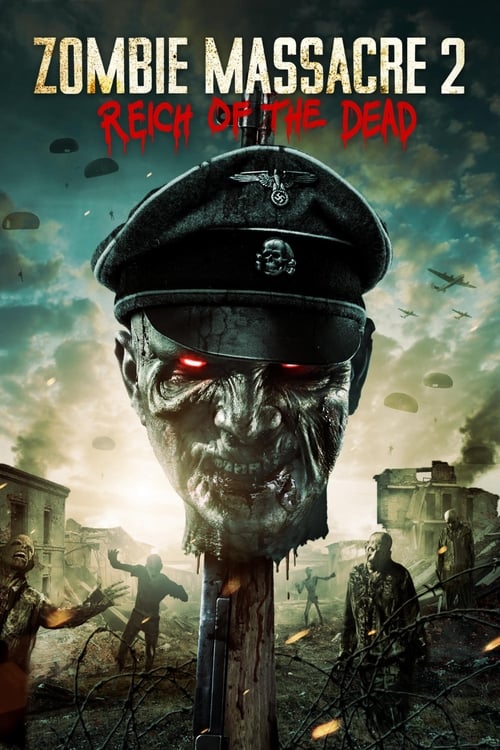
Zombie Massacre 2: Reich of the Dead
2015
No user ratings available yet
Representation score: 3.8 out of 10

Representation Score
Good
2012
RDirector
Lucio A. Rojas, Cristian Toledo
Runtime
83 minutes
Average Rating
No ratings yetNew Showbiz Analysis
Zombie Dawn is a genre-driven survival horror that prioritizes kinetic storytelling over diverse character development. The film relies heavily on established clichés of combat and physical dominance, limiting its depth regarding identity-based representation. However, the film's structure offers a critique of institutional power. By positioning a mining corporation and a failing government as sources of horror, the story goes beyond simple monster clichés to explore systemic collapse. Ultimately, the work functions as a visceral exploration of survival. While it lacks specific social representation, its focus on industrial and state failure provides a unique, albeit grim, perspective on societal breakdown.
Category Breakdown
The film does not include any visible LGBTQ+ characters or narratives. It follows typical genre conventions rather than exploring queer identities.
The story focuses on mercenaries and scientists. While scientists might offer more prominent roles for women, the mercenary framework emphasizes traditional masculine roles.
The setting hints at a non-Western or developing geopolitical context. The plot examines how neglect from corporations affects local communities.
The narrative criticizes capitalism and state stability by portraying institutions as architects of disaster. It prioritizes survival over religious frameworks.
Physical impairment is likely used as a marker of infection. There is no indication of neurodivergence or chronic illness being explored.
Present on Screen
Limited or Absent
Official Synopsis
2006, a mysterious mining accident in a remote territory unleashes an unspeakable horror that creates a zombie horde with an appetite for human flesh. It decimates large portions of the country. The only course of action is to rapidly enclose the infected areas and seal them off from the rest of the remaining, living population. NOW. 15 years later the tattered remains of the government and the mining corporation responsible where the initial event took place commit themselves to finding out what may have happened at the mining complex. The solution is to send in a group of mercenaries and scientists into the quarantined zone to find answers.
2015
2011
2013
1985
2020

2008
2017
2020
No reviews yet. Be the first to share your thoughts on this movie!
Use the rating form above to leave a star rating and optional review.