
Campaign of Hate: Russia and Gay Propaganda
2014
No user ratings available yet
Representation score: 5.8 out of 10
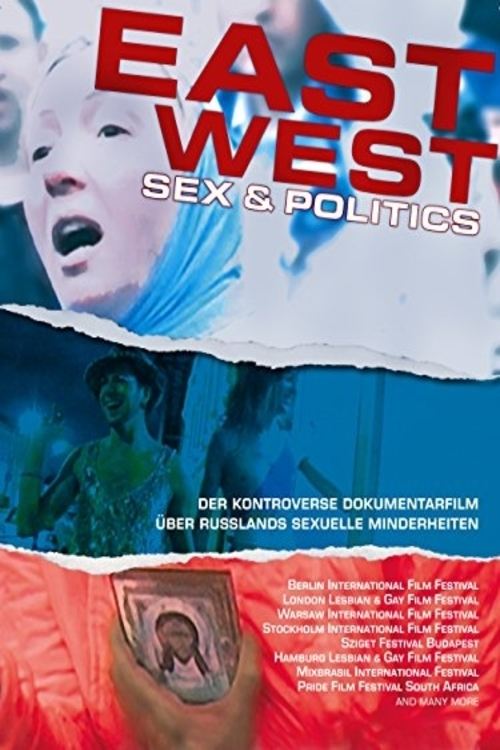
Representation Score
Good
2008
Director
Jochen Hick
Runtime
97 minutes
Average Rating
No ratings yetNew Showbiz Analysis
Jochen Hick’s documentary rigorously examines how identity is negotiated under authoritarianism. By framing LGBTQ+ rights as a litmus test for Russian democracy, the film elevates its subject matter into a profound political critique. The film excels at deconstructing power dynamics between the individual and the state, highlighting the survival strategies of underrepresented groups facing systemic exclusion and violent suppression. However, the film's narrow sociological focus limits its breadth. The narrative is heavily weighted toward political implications and lacks significant racial diversity or deep explorations of gender-specific hierarchies.
Category Breakdown
The film centers on the struggle for queer visibility and safety in Russia. It explores the tension between political activism and the survival strategies used by sexual minorities to navigate systemic hostility.
The documentary examines how political leaders use traditionalist rhetoric to manage social demographics. It focuses more on the political implications of orientation than on specific gendered social hierarchies.
The scope is geographically specific to the Russian context and geopolitical tensions. It does not focus on multi-ethnic or multi-racial casting, remaining centered on a relatively homogeneous demographic.
The film validates the lived experiences of those underrepresented by nationalist and religious frameworks. It challenges state-sanctioned morality by presenting a complex landscape of resistance and situational ethics.
There is no significant evidence regarding the representation of physical or neurodivergent disabilities within the film's thematic focus.
Present on Screen
Limited or Absent
Official Synopsis
Both in 2006 and 2007, the Gay Pride Parade attempts in Moscow are violently beaten down. For many observers, the attitude towards the sexual minorities seems to be the litmus test of the state of democracy in Russia. In January 2007, for the first time in Russian history, a Russian leader, president Vladimir Putin mentions the situation of the LGBT community: He won't criticize the politics of Moscow mayor Yuri Lushkov, who forbid the event, but he is concerned about the demographic future of the country. And Putins opinion seems to be repeated by the right wing contra demonstrators on the streets. The film shows both the organizers of the Pride events and also the survival strategies of the majority Russian lesbians and gays, to whom the fight for democracy on the streets doesn't seem to be an attractive alternative.
2014
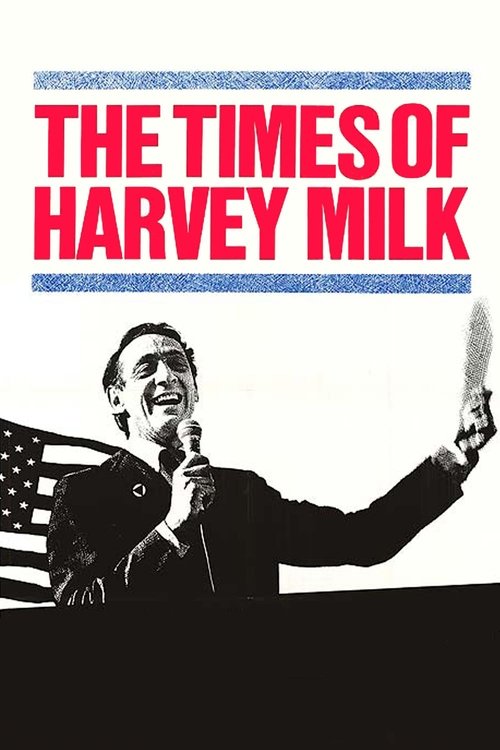
1984
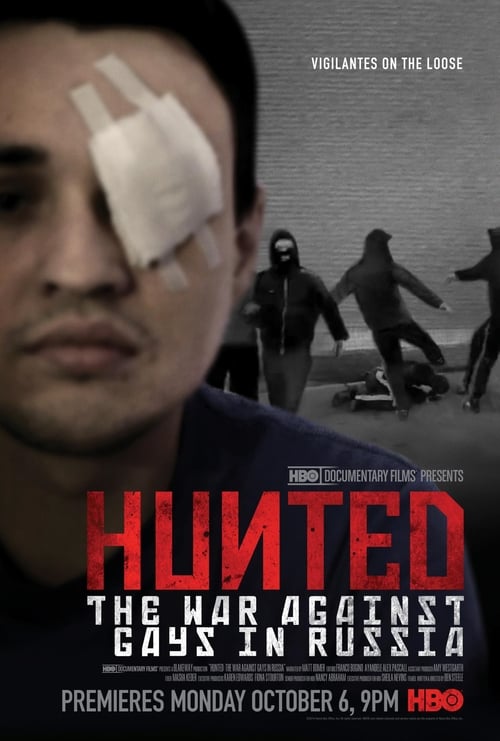
2014

2013

2014
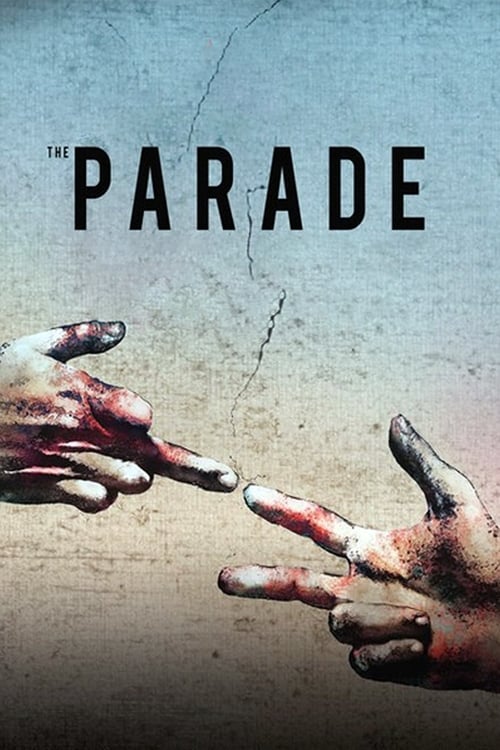
2011

2008
2015
No reviews yet. Be the first to share your thoughts on this movie!
Use the rating form above to leave a star rating and optional review.