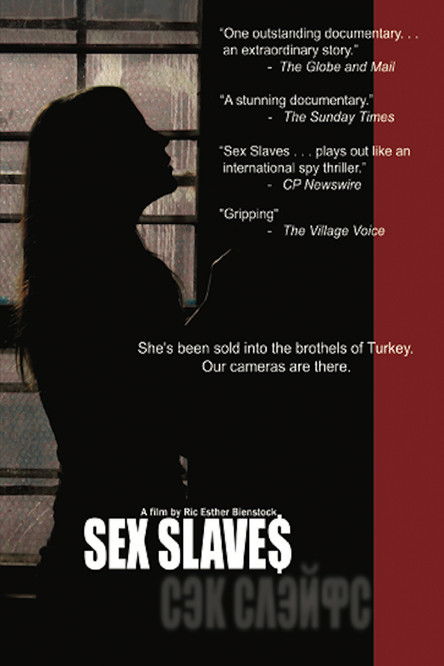
Sex Slaves Frontline
2006
No user ratings available yet
Representation score: 5.5 out of 10
Representation Score
Limited
2003
RDirector
Andrew Levine
Runtime
70 minutes
Average Rating
No ratings yetNew Showbiz Analysis
The documentary disrupts Western-centric clichés by centering South Asian voices and local activists. It provides a raw, necessary look at systemic exploitation within its specific geopolitical context. However, the film's focus on the tragic reality of sex trafficking results in low scores for gender and LGBTQ+ representation. The subjects are often defined by their victimization rather than diverse identity explorations. Ultimately, the work maintains a traditional moral framework. It seeks to protect the sanctity of childhood and the family unit rather than challenging social structures through progressive identity politics.
Category Breakdown
The film focuses exclusively on the crisis of human trafficking and does not include any LGBTQ+ characters or narratives.
The narrative centers on the systemic violence faced by young girls. Activists play a significant role, but the primary subjects are shown in positions of extreme vulnerability.
The documentary features a predominantly South Asian cast and setting, prioritizing the voices and struggles of underrepresented ethnic groups within Nepal and India.
The film serves as a humanitarian plea focused on protecting the family unit. It uses a lens of moral urgency rather than deconstructing traditional values.
There is no evidence regarding the portrayal of characters with physical or neurodivergent disabilities within the film.
Present on Screen
Limited or Absent
Official Synopsis
Filmed in Nepal and India this documentary presents the stories of young girls whose lives have been shattered by the child sex slave trade. The film provides actual footage from inside the brothels of Bombay, known even to the tourists as "The Cages," captured with "spy camera" technology. The documentary also introduces the heroes of the movement who are working to abolish child sex slavery and who remind us that, "these are our daughters."
2006
2004
2015
2016
2014
2014
2007

2011
No reviews yet. Be the first to share your thoughts on this movie!
Use the rating form above to leave a star rating and optional review.