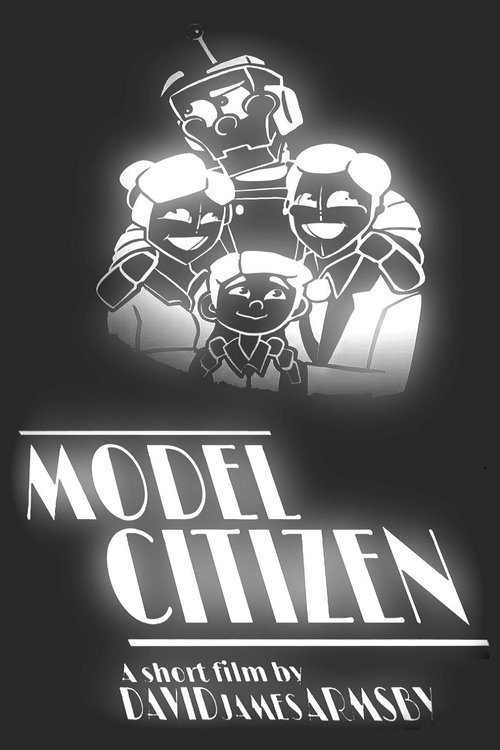
Model Citizen
2020
No user ratings available yet
Representation score: 6.4 out of 10

Representation Score
Limited
1998
Director
Mark Osborne
Runtime
6 minutes
Average Rating
No ratings yetNew Showbiz Analysis
More is a visually striking critique of dehumanizing societal structures. Its monochromatic aesthetic intentionally removes individual markers to emphasize the soul-crushing nature of conformity and mechanization. While the film lacks traditional demographic representation, it excels in its intellectual deconstruction of power dynamics. It effectively frames the struggle for individual autonomy against systemic control as a profound, progressive theme.
Category Breakdown
The film does not depict any non-binary gender identities or same-sex relationships. Characters are presented in a stylized, non-humanoid form where individual identities blend together.
Gender roles are minimized in favor of a universalized worker identity. Characters are portrayed as parts of a machine rather than individuals with specific gender roles.
An industrial setting with a monochromatic palette obscures racial and ethnic differences. This uniformity serves as a metaphor for a homogeneous existence but lacks intentional diverse representation.
The film provides a strong critique of industrial capitalism and rigid social structures. It highlights the importance of pursuing creativity as a means of liberation from oppressive systems.
There are no explicit depictions of physical or neurodivergent disabilities. However, the sterile environment symbolizes collective emotional numbness and sensory deprivation.
Present on Screen
Limited or Absent
Official Synopsis
A factory worker in a dark, gray world assembles devices that promise happiness. In his spare time he tinkers to create something better, and finally succeeds in perfecting his invention, which allows people to see life through rose-colored glasses, but he has to pay a price for his success.
2020
2003
2006
1987
2021

2013

2009
2015
No reviews yet. Be the first to share your thoughts on this movie!
Use the rating form above to leave a star rating and optional review.