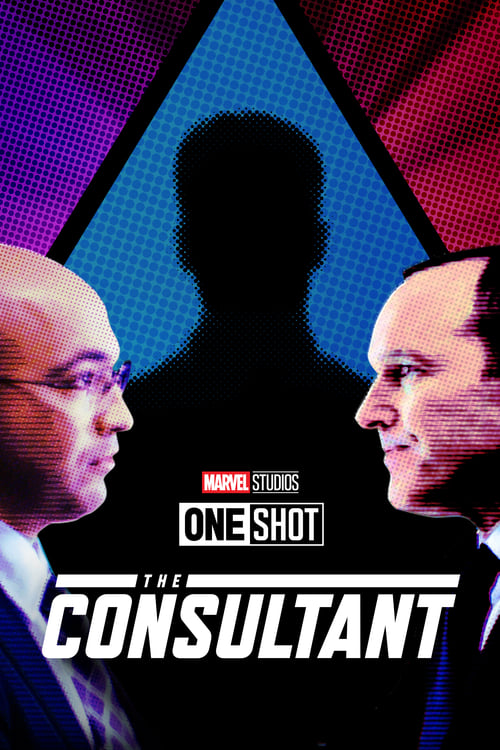
Marvel One-Shot: The Consultant
2011
No user ratings available yet
Representation score: 0.6 out of 10

Representation Score
Limited
2013
Not RatedDirector
Louis D'Esposito
Runtime
15 minutes
Average Rating
No ratings yetNew Showbiz Analysis
Agent Carter succeeds as a focused character study that deconstructs mid-century gendered power dynamics. By positioning Peggy Carter as the primary driver of the plot, the film effectively challenges the traditional masculine leadership typical of the 1940s setting. However, the film's demographic breadth is limited by its historical context. The lack of racial, ethnic, and LGBTQ+ representation results in a narrow social scope, even if the narrative avoids overt stereotyping. Ultimately, the film trades broad inclusivity for a sharp, specific critique of institutional sexism.
Category Breakdown
There are no LGBTQ+ characters in the film. The story focuses solely on professional conflicts within the Strategic Scientific Reserve.
Peggy Carter drives the plot with her superior technical skills and plays a significant role. The film challenges the traditional 1940s gender hierarchy by depicting her male counterpart as a patronizing obstacle.
The cast reflects the homogeneous demographics of the post-WWII era. While avoiding harmful stereotypes, the film lacks significant racial or ethnic diversity.
The narrative critiques the rigidity of mid-century social structures. It explores the tension between individual competence and the systemic biases of Western intelligence institutions.
There are no characters with visible or invisible disabilities that are central to the narrative arc.
Present on Screen
Limited or Absent
Official Synopsis
Agent Peggy Carter is relegated to a desk job and frustrated at her male boss and comrades' sexist dismissal of her place in the SSR. Ordered to work late one night, Carter gets an alert that the villain Zodiac has been spotted and decides to take care of it herself.
2011
2007

2012

1984

2016
2003

2014

2009
No reviews yet. Be the first to share your thoughts on this movie!
Use the rating form above to leave a star rating and optional review.