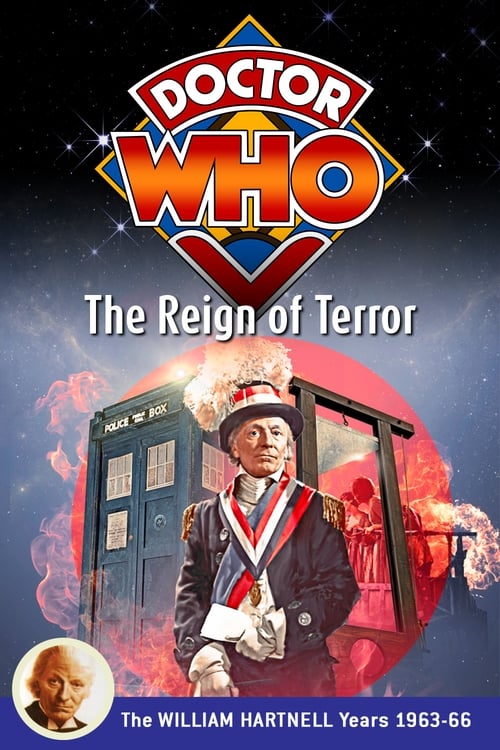
Doctor Who: The Reign of Terror
1964
No user ratings available yet
Representation score: 1.4 out of 10

Representation Score
Fair
1966
TV-PGDirector
Paddy Russell
Runtime
100 minutes
Average Rating
No ratings yetNew Showbiz Analysis
This production uses a historical setting to critique religious violence and systemic oppression. By focusing on the St. Bartholomew's Day massacre, it challenges traditional hierarchies and portrays centralized power as cruel. However, the film is limited by the demographic constraints of its era, lacking racial and ethnic diversity, and excluding LGBTQ+ representation or disability-focused characters. While gender roles are traditional, Catherine de Medici's role as a powerful antagonist offers a glimpse into women's political influence during this time.
Category Breakdown
The story focuses on 16th-century religious and political tensions. There are no LGBTQ+ characters or non-straight relationships in the plot.
Men play key roles, but Catherine de Medici holds significant power. Anne Chaplet's character highlights vulnerability amid systemic violence.
The cast is mostly uniform, reflecting the demographics of Renaissance-era Paris. The narrative stays within a Western European context without diverse racial backgrounds.
The production critiques religious institutions by showing the Catholic Church as a source of systemic violence. It portrays the Huguenots as victims of a corrupt state.
There are no meaningful depictions of physical or neurodivergent disabilities. Characters fit within typical action-adventure roles.
Present on Screen
Limited or Absent
Official Synopsis
The TARDIS materialises in Paris in the year 1572 and the Doctor decides to visit the famous apothecary Charles Preslin. Steven, meanwhile, is befriended by a group of Huguenots from the household of the Protestant Admiral de Coligny. Having rescued a young serving girl, Anne Chaplet, from some pursuing guards, the Huguenots gain their first inkling of a heinous plan being hatched at the command of the Catholic Queen Mother, Catherine de Medici.
1964

2014
1965
1994

1965

1964

1965
1967
No reviews yet. Be the first to share your thoughts on this movie!
Use the rating form above to leave a star rating and optional review.