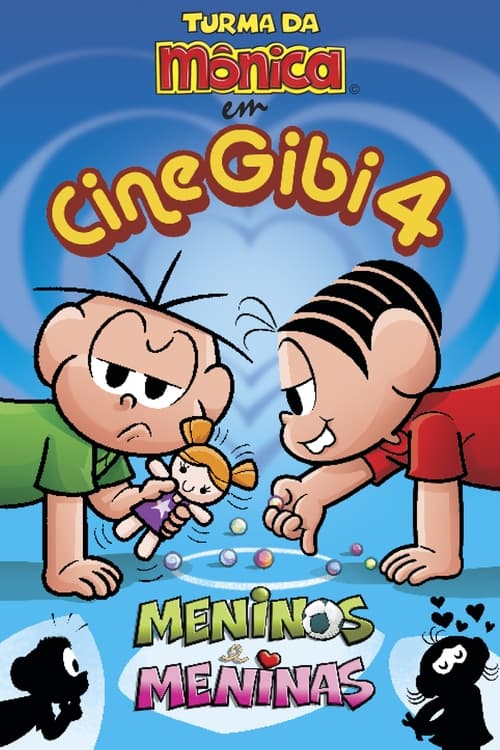
Turma da Mônica em Cine Gibi 4: Meninos e Meninas
2009
No user ratings available yet
Representation score: 5.3 out of 10
Representation Score
Fair
2010
Director
Mauricio de Sousa, José Marcio Nicolosi
Runtime
72 minutes
Average Rating
No ratings yetNew Showbiz Analysis
This installment of the Cine Gibi series is a traditional, character-driven comedy. It relies on well-established peer dynamics to tell a story centered on a debate about action films and mechanical ingenuity. While the franchise is deeply rooted in Brazilian culture, this specific episode remains narrowly focused. It centers on a male-dominated conflict, limiting its broader social representation. The film provides a unique Brazilian perspective but lacks the complexity needed to address a wider range of social identities.
Category Breakdown
The film does not include any explicit LGBTQ+ characters or stories about non-straight relationships. The main focus is on local conflicts involving media consumption and friendships.
The story revolves around a male-dominated debate between two characters, Smudge and Jimmy Five. Despite having strong female characters in the franchise, this particular film emphasizes the male protagonists' roles.
The film is set within a Brazilian cultural context, showcasing a diverse, multi-ethnic population. It avoids the homogeneity often seen in Western animation.
The narrative highlights community problem-solving and friendship within a typical social structure. It focuses on resolving peer issues rather than challenging larger societal institutions.
There are no characters with visible or invisible disabilities that play a significant role in the story. The film does not use disability as a plot device.
Present on Screen
Limited or Absent
Official Synopsis
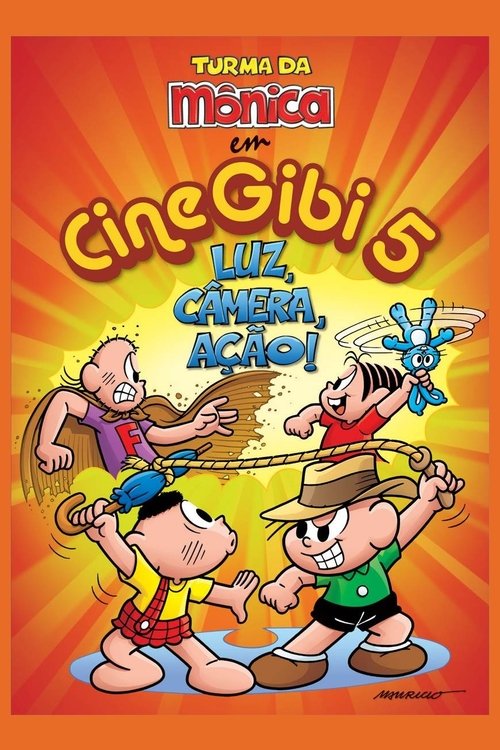
In the fifth installment of the Cine Gibi series, Smudge and Jimmy Five find themselves engaged in a lively debate over the ultimate action film. Seeking a resolution, they turn to their friend Franklin, known for his inventive prowess, to organize yet another round of projected comic book film sessions using his colossal blender.
2009
2014

2013
2008
2013

2004
2020

2016
No reviews yet. Be the first to share your thoughts on this movie!
Use the rating form above to leave a star rating and optional review.