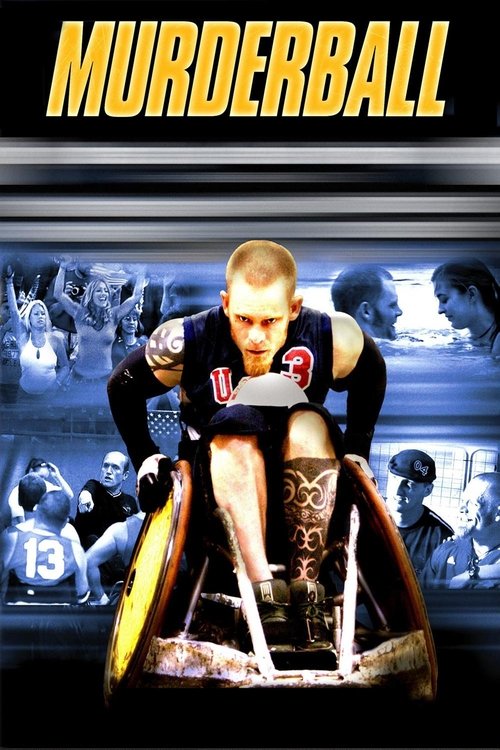
Murderball
2005
No user ratings available yet
Representation score: 5.5 out of 10
Representation Score
Limited
2013
TV-GDirector
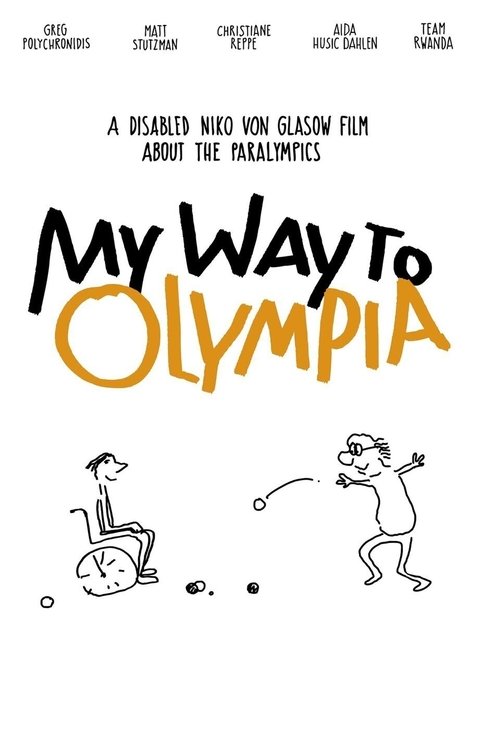
Niko von Glasow
Runtime
85 minutes
Average Rating
No ratings yetNew Showbiz Analysis
The documentary’s core strength lies in its unflinching focus on disability. By profiling Paralympic athletes across several nations, it foregrounds experiences often marginalized in mainstream sports coverage. Gender and nationality are represented through a mixed international cast, yet the film does not probe systemic inequities or cultural nuance beyond athletic achievement. LGBTQ+ identities are entirely absent. The director’s personal arc from skepticism to admiration adds emotional texture, but the narrative remains tightly bound to sport, limiting broader social commentary.
Category Breakdown
No LGBTQ+ characters appear or are identified. The documentary concentrates solely on Paralympic athletes and their competitive journeys, leaving queer identities absent from its scope.
Both men and women are central subjects. Female athletes such as swimmer Christiane Reppe and table tennis player Aida Dahlen share the screen with male competitors, though the balance leans toward a mixed but not fully equitable presence.
Athletes from the U.S., Norway, Germany, and Greece are featured. The film presents a multinational roster without fixating on any single ethnicity, offering a broad but surface-level global perspective.
The narrative centers on the Paralympic Games and the Olympic heritage in Greece. It frames competitive sport as a meaningful pursuit rather than a corrupt system, with limited exploration of deeper cultural contexts.
The film is built around athletes with physical disabilities. It follows real competitors like archer Matt Stutzman, examining their training, fears, and daily realities with depth and respect.
Present on Screen
Limited or Absent
Official Synopsis
The film director Niko von Glasow undertakes a journey to athletes, who compete at the Paralympic Games in London 2012. He himself is a short-armed avowed hater of sport who cannot understand how anyone could take on such an odeal voluntarily. Even more since everyday life for people with a disability is most often challenging enough. He meets U.S.archer Matt Stutzman, Norwegian table tennis player Aida Dahlen, German swimmer Christiane Reppe, Greek boccia player Greg Polychronidis and a Sitting Volleyball team. Niko neither spares the athletes nor himself asking questions about life, sport and fears. With an ever growing appreciation for sport Niko attends the Paralympic Games and travels back to the ancient city of Olympia, where everything began and where boccia playing is prohibited.
2005
2016
2009
2020
2024

2003

2023
2019
No reviews yet. Be the first to share your thoughts on this movie!
Use the rating form above to leave a star rating and optional review.