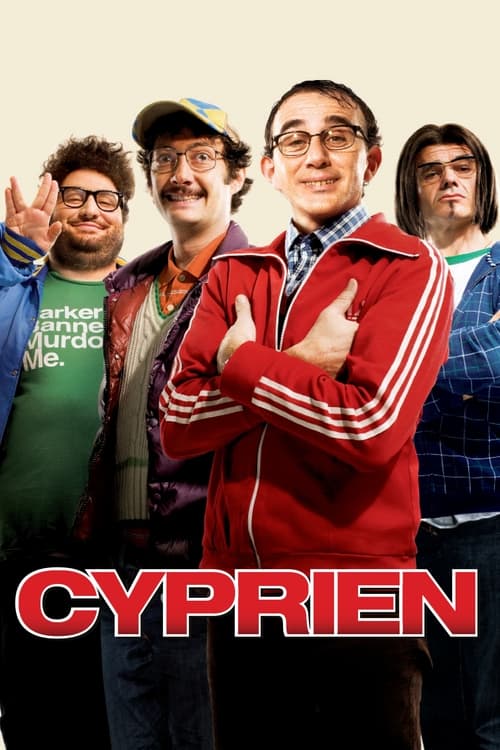
Cyprien
2009
No user ratings available yet
Representation score: 1.8 out of 10

Representation Score
Limited
2009
Not RatedDirector
Robert Ménard
Runtime
106 minutes
Average Rating
No ratings yetNew Showbiz Analysis
A Happy Man is a character-driven film that explores cultural displacement and the tension between intellectualism and provincialism. It avoids the typical 'harmonious village' cliché, instead showing local institutions as barriers to newcomers. The film's strength lies in its portrayal of an outsider navigating a closed community, but it falls short in representing broader social diversity. While it effectively critiques traditional communal structures, it lacks multi-layered diversity, especially concerning LGBTQ+ identities, racial variety, and disability.
Category Breakdown
The film does not include any LGBTQ+ characters or stories about non-cisgender identities. The focus is on the cultural differences between French and Quebecois communities.
The story revolves around a traditional father-daughter relationship. The aunt's inheritance is crucial to the plot, but her role is more foundational rather than active.
The film examines cultural conflicts through the perspective of outsiders versus locals. However, the cast is predominantly made up of Western European and North American types.
The story criticizes insular, traditional societies by depicting the local village as an obstacle. It highlights the protagonist's scientific background to challenge the limitations of small-town thinking.
There is no mention of characters with visible or invisible disabilities. The narrative does not include representations of neurodivergent individuals.
Present on Screen
Limited or Absent
Official Synopsis
Pierre, a French professor of quantum physics, inherits an inn from his aunt Jeanne in the Lac St-Jean region. He arrives with his daughter and settles in the small village of Sainte-Simone-du-Nord, home to just 400 residents. The locals, however, greet these “strangers” with suspicion—especially the village mayor, who once had a falling-out with Jeanne, the Frenchwoman. He manages to rally the townspeople to make life difficult for these newcomers from across the Atlantic. Yet Pierre’s good humor is unshakable, and he refuses to be discouraged—even without electricity, heat, water, or a car.
2009
2009
2009

2002
2013
2011

2006
2002
No reviews yet. Be the first to share your thoughts on this movie!
Use the rating form above to leave a star rating and optional review.