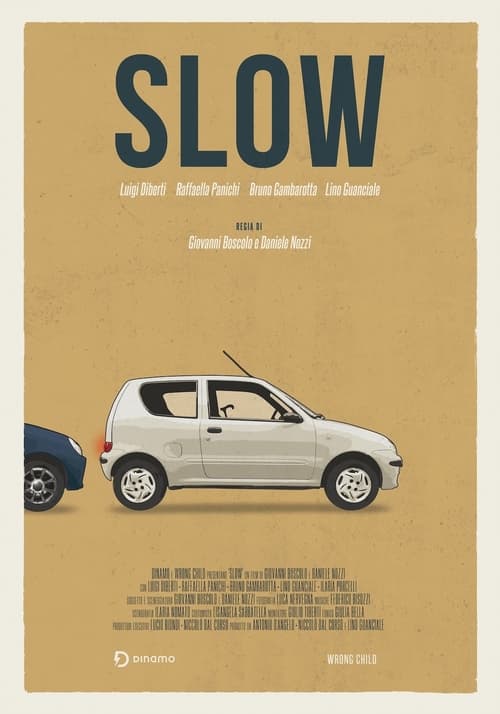
Slow
2021
No user ratings available yet
Representation score: 2.8 out of 10

Representation Score
Fair
2016
Director
Philipp Eichholtz
Runtime
81 minutes
Average Rating
No ratings yetNew Showbiz Analysis
Dancing Quietly serves as an intimate character study centered on the internal management of depression. It avoids traditional heroic clichés by focusing on the incremental, quiet process of psychological recovery and personal empowerment. The film successfully humanizes neurodivergent experiences by moving away from high-energy dramatic structures to explore the nuances of mental health. This provides a more grounded perspective on overcoming adversity. However, the lack of specific information regarding racial diversity and LGBTQ+ identities prevents a more comprehensive assessment of the film's inclusive reach.
Category Breakdown
The film hints at non-traditional life paths but does not explicitly confirm the protagonist's sexual orientation or gender identity.
The story focuses on a female protagonist navigating a deeply personal struggle. It emphasizes her internal emotional landscape and academic achievements over traditional romantic or domestic roles.
There is no evidence available regarding the racial or ethnic makeup of the cast. Consequently, a definitive score cannot be assigned based on the current information.
The narrative critiques societal pressures by prioritizing mental health over standard productivity. The bond between Luca and her dog, Mata, highlights non-traditional support systems.
The film offers meaningful representation of invisible disabilities through its depiction of clinical depression. It portrays mental health as a lived reality rather than a mere melodramatic plot device.
Present on Screen
Limited or Absent
Official Synopsis
After many dark years of depression Luca seeks to gain her high school diploma. Her little dog Mata helps her to find motivation and keep a positive attitude towards life...
2021
2017

2021

2017

2018
2025

2011
2024
No reviews yet. Be the first to share your thoughts on this movie!
Use the rating form above to leave a star rating and optional review.