The End of Sex
2023
No user ratings available yet
Representation score: 3.2 out of 10
Representation Score
Fair
2013
Not RatedDirector
Jeremy LaLonde
Runtime
105 minutes
Average Rating
No ratings yetNew Showbiz Analysis
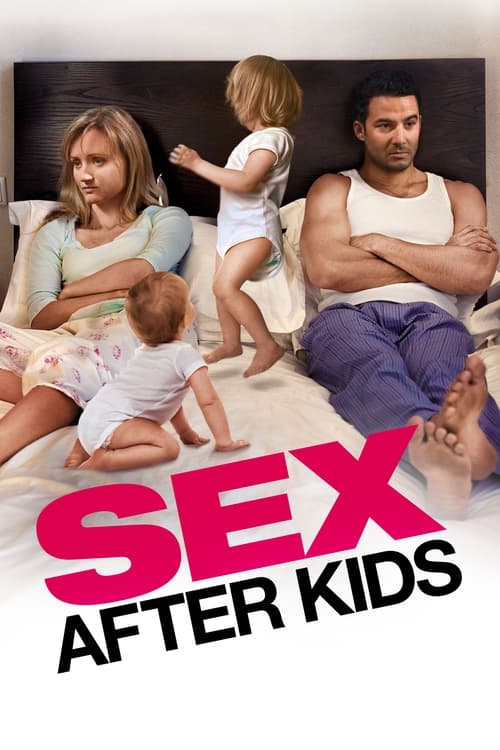
Sex After Kids functions as a character-driven comedy that deconstructs the 'perfect family' cliché. By focusing on the unglamorous and chaotic realities of domestic life, it moves away from conservative, idealized depictions of parenthood. The film offers a moderate disruption of traditional domestic narratives. It replaces the archetype of the stable family unit with a more grounded, potentially cynical exploration of modern relationships and biological imperatives. While the film avoids high-level multi-layered activism, its focus on the logistical distractions of parenting provides a realistic lens on modern domesticity.
Category Breakdown
The film includes various couples but does not explicitly confirm any queer-centric themes. It maintains a neutral stance without specific narratives that go beyond assuming everyone is straight.
The narrative challenges traditional hierarchies by focusing on the shared struggle of intimacy. It likely disrupts stable domestic clichés through comedic depictions of parental vulnerability.
A broad demographic spectrum is suggested by the mention of couples from all walks of life. However, the film’s specific depth in reflecting multiple aspects of identity remains unconfirmed.
The film deconstructs the nuclear family by framing it as a source of complication rather than stability. It prioritizes the messy realities of modern life over idealized values.
There is no evidence that neurodivergence or physical disabilities play a central role in the character arcs or the plot.
Present on Screen
Limited or Absent
Official Synopsis
A disparate variety of couples from all walks of life strive to maintain active sex lives despite the notable distraction of having kids.
2023
2018
2003
2012

2017

2018
2018
2012
No reviews yet. Be the first to share your thoughts on this movie!
Use the rating form above to leave a star rating and optional review.