
Home Sweet Home - Where Evil Lives
2024
No user ratings available yet
Representation score: 3.2 out of 10
Representation Score
Good
2021
Director
Vishal Furia
Runtime
129 minutes
Average Rating
No ratings yetNew Showbiz Analysis
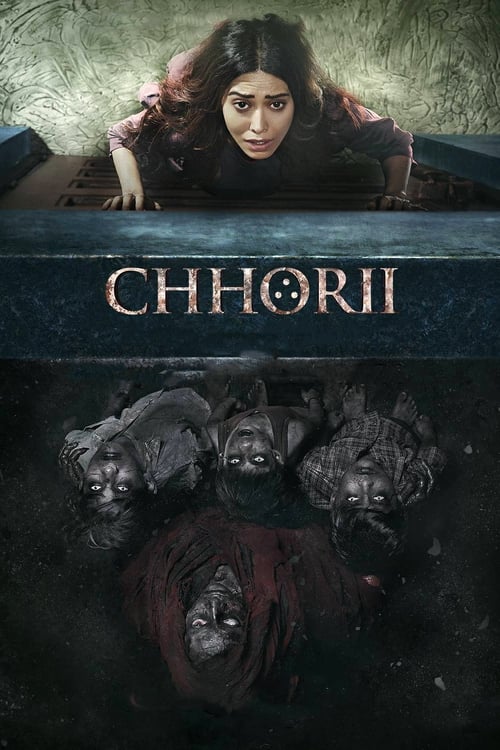
Chhorii elevates the horror genre by using the domestic sphere to question systemic gender-based oppression. It successfully shifts from a survival thriller into a critique of patriarchal violence and the structures that sideline women's ability to drive the story. The film's strength lies in its sophisticated subversion of traditional gender hierarchies. By focusing the narrative on women who have endured systemic violence, it challenges the notion of the home as a safe haven. While the film lacks LGBTQ+ representation and explicit disability portrayals, its deep engagement with Indian cultural identity and feminist theory provides significant narrative depth.
Category Breakdown
The film does not include any LGBTQ+ characters or explore non-straight relationships. The story focuses solely on the heterosexual relationship between a pregnant woman and her partner.
The narrative centers on female experiences, challenging the male protector cliché. It portrays patriarchal structures as sources of fear rather than order, giving female characters a significant role in driving the story.
The cast is ethnically uniform, presenting a culturally specific Indian experience. It avoids Western-centric clichés to offer a grounded, authentic portrayal of regional social dynamics.
The film critiques traditional social institutions and the family unit as potentially oppressive. It presents supernatural spirits as victims of systemic injustice rather than simple monsters.
There is little explicit representation of physical or neurodivergent disabilities. However, the film treats the protagonist's psychological erosion and mental distress as a central narrative component.
Present on Screen
Limited or Absent
Official Synopsis
Sakshi is eight months pregnant with her first child when she and Hemant are forced out of their home. They escape from the city and seek refuge in a house located deep inside sugarcane fields. The house is ridden with dark secrets that start unravelling as the story unfolds, posing a threat to Sakshi and her unborn child. Even as Sakshi tries to save herself and her unborn baby, scary sightings of three mysterious kids and a charred monster coupled with an eerie lullaby, emanating from an old transistor, wreak havoc with her sanity.
2024

2003

2025
2007
2017
2019

2023

2018
No reviews yet. Be the first to share your thoughts on this movie!
Use the rating form above to leave a star rating and optional review.