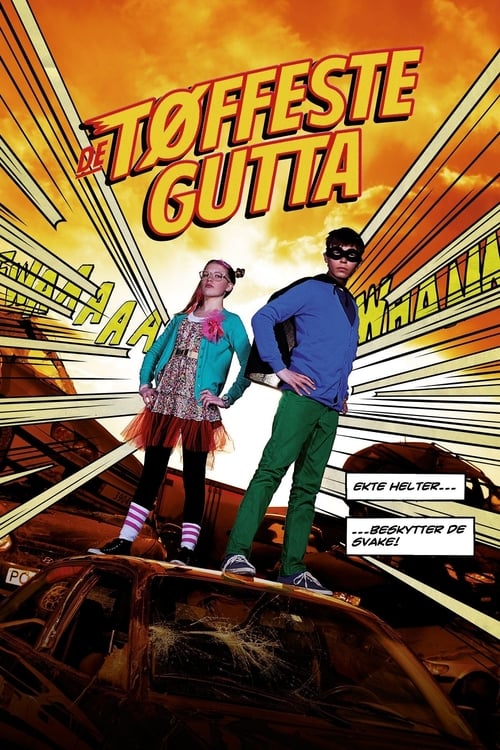
The Tough Guys
2013
No user ratings available yet
Representation score: 7.0 out of 10
Representation Score
Good
2019
Director
Jonathan Elbers
Runtime
91 minutes
Average Rating
No ratings yetNew Showbiz Analysis
The film serves as a narrative critique of aesthetic perfectionism and systemic conformity. It disrupts traditional social hierarchies by empowering those deemed 'other' to dismantle oppressive leadership. While the story provides a strong framework for challenging beauty standards, it lacks specific details regarding racial and LGBTQ+ representation. The focus remains heavily on physical appearance as the primary driver of social division. Ultimately, the film's strength lies in its subversion of normative standards, transforming physical outliers into political agents of change.
Category Breakdown
The film does not explicitly mention LGBTQ+ characters or non-straight relationships. The narrative focuses on physical appearance and social status rather than queer identity.
Sara, a member of the 'pretty' class, crosses social boundaries by siding with the underrepresented group. This positioning gives ability to act to children who typically fall outside traditional social roles.
There is no specific information regarding the racial or ethnic composition of the cast. The narrative focuses on aesthetic dichotomies rather than ethnic backgrounds.
The story critiques systemic control and institutional oppression. It frames a revolution against a leader who enforces aesthetic conformity, favoring grassroots organization over top-down mandates.
Paul's prominent ears serve as a symbol of resistance. The film grants these characters ability to act, avoiding common clichés by making them the heroes of a revolution.
Present on Screen
Limited or Absent
Official Synopsis
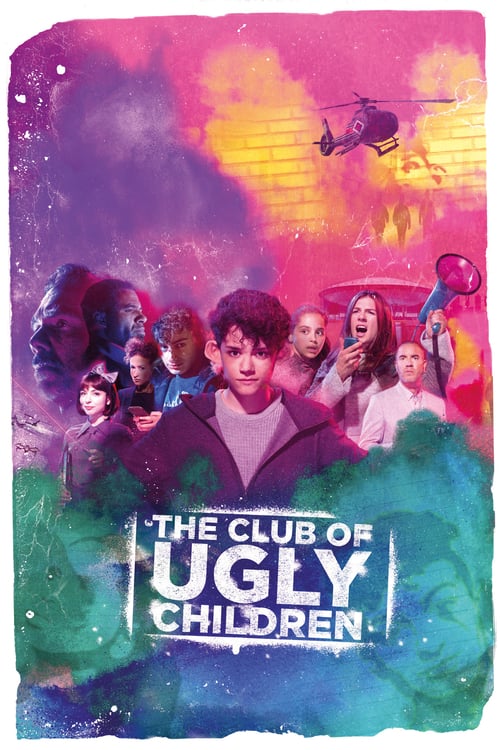
“Keep it clean!” – The new president is serious about that, including looks. When Paul, whose large jug ears are quite apparent on class photo day, and some of the other “ugly” kids are taken on a surprise trip, they realize that the president wants to hide them away. On the run, Paul is helped by Sara, one of the “pretty” kids. They start an underground club to fight against the president. The movement soon turns into a revolution. The kids show the world that even children can rise up – and that you don’t have to be “pretty” to be a hero!
2013

2020

2016
2015

2013

1995
2009
2001
No reviews yet. Be the first to share your thoughts on this movie!
Use the rating form above to leave a star rating and optional review.