The Devil Made Me Do It
2021
No user ratings available yet
Representation score: 3.6 out of 10
Representation Score
Limited
2009
NRDirector
Christopher Saint Booth
Runtime
89 minutes
Average Rating
No ratings yetNew Showbiz Analysis
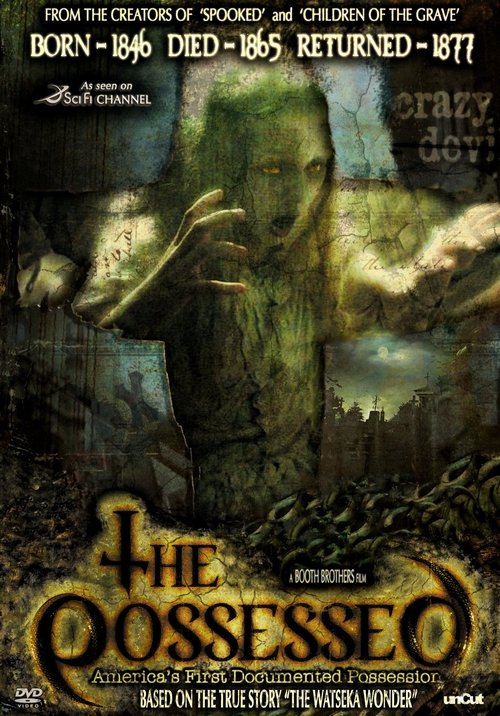
The Possessed is a genre-specific historical thriller that adheres to traditional narrative structures. It centers on a documented 19th-century case of spiritual possession, which limits the scope for modern multi-layered complexity. While the film features a female character as the main protagonist, she is portrayed through the lens of a distressed victim of supernatural forces. The historical setting further reinforces a demographic homogeneity typical of the period. Ultimately, the film functions as a standard horror piece. It lacks the intentional disruption of social hierarchies or the nuanced representation of mental health required for a higher diversity rating.
Category Breakdown
The film focuses on a 19th-century historical account of spiritual possession. There is no evidence of diverse gender identities or narratives that question the assumption that everyone is straight or cisgender.
A 13-year-old girl serves as the central figure of the story. However, her role is defined by the phenomenon of possession rather than her own choices or challenging gender roles.
Set in 1870 Illinois, the narrative likely reflects the demographic homogeneity of the time. The focus on this specific historical event suggests an Anglo-Saxon focus.
The story explores themes of spiritualism and the 'insane dead.' It operates within traditional horror frameworks rather than critiquing Western institutions or morality.
The plot uses spirits of the 'insane dead' to affect a child. This risks using mental instability as a supernatural plot device rather than providing a nuanced portrayal of neurodivergence.
Present on Screen
Limited or Absent
Official Synopsis
Based on the True Story, The Watseka Wonder, America's first documented possession in 1870. A chilling story of a 13-year-old girl from the small town of Watseka, Illinois who became possessed by spirits of the insane dead.
2021
1922
2015
2005
2011
2024
2019
2016
No reviews yet. Be the first to share your thoughts on this movie!
Use the rating form above to leave a star rating and optional review.