Hysterical
1982
No user ratings available yet
Representation score: 2.1 out of 10
Representation Score
Limited
1987
PGDirector
Roland Emmerich
Runtime
90 minutes
Average Rating
No ratings yetNew Showbiz Analysis
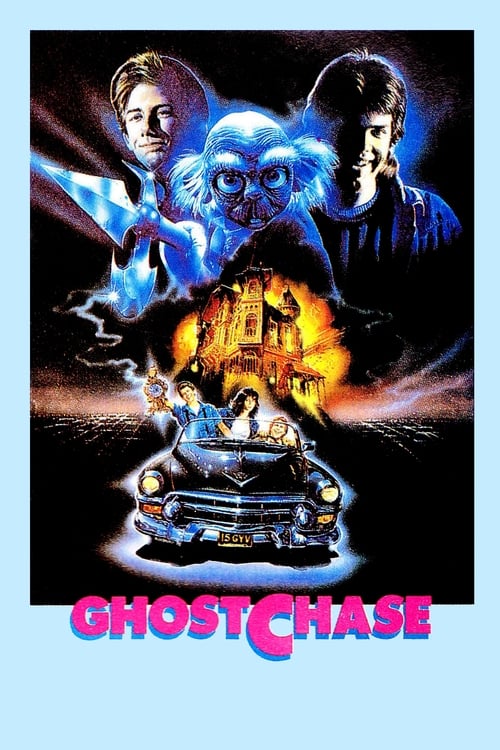
Ghost Chase is a product of its era, functioning as a conventional horror-comedy that adheres to the social and narrative structures of the late 1980s. The film relies on established genre clichés rather than intentional storytelling that reflects multiple aspects of identity. The narrative structure reinforces traditional gender hierarchies and family dynamics. Male characters have significant roles, while female roles are often defined by their relationships with the men. Representation is limited, with a predominantly white cast and a reliance on physical differences as plot devices. The film lacks engagement with diverse identities or the subversion of cultural norms.
Category Breakdown
The story focuses on a traditional heterosexual relationship between Warren and Laurie, following typical 1980s romantic conventions without delving into LGBTQ+ identities or questioning the assumption that everyone is straight.
Male characters play the main roles, particularly Fred and Warren. Although Laurie is a key figure, her role is largely defined by her interactions with the male characters.
The film has a predominantly white cast, with a setting and family history that suggest a homogeneous society. There are no diverse characters driving the plot.
The story operates within a standard Western framework focusing on family legacy and inheritance. Supernatural elements are used to explore a family scandal without challenging Western institutions.
Louis, the butler, is portrayed as physically deformed. This depiction uses his physical difference as a supernatural plot device rather than providing a nuanced look at his lived experience.
Present on Screen
Limited or Absent
Official Synopsis
In an old Hollywood mansion, the spirit of an old family retainer inhabits an old grandfather clock. When a movie company uses the mansion for a film, the spirit inhabits the body of an alien and persuades the two filmmakers to track down an old house that will resolve a family scandal.
1982
1966

1986
2003
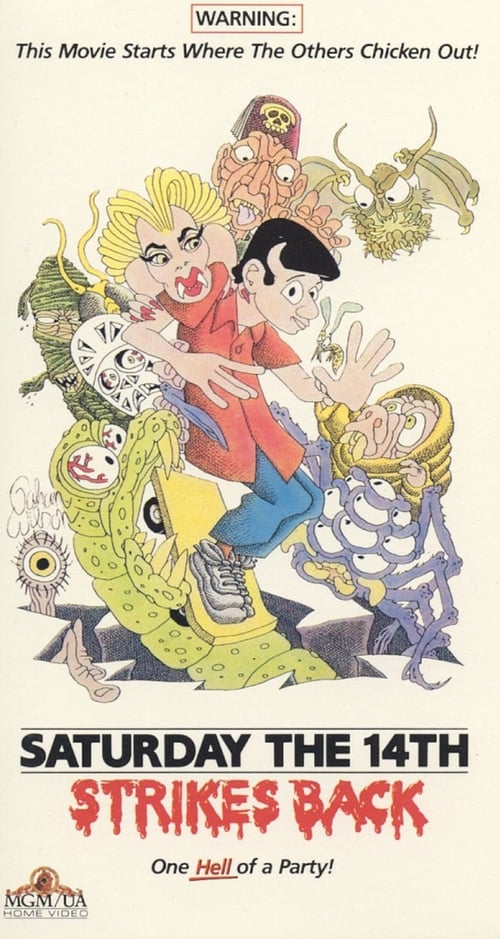
1988
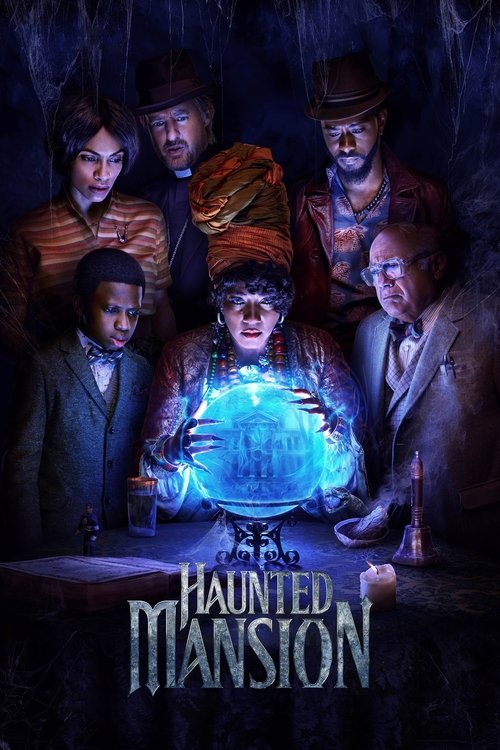
2023
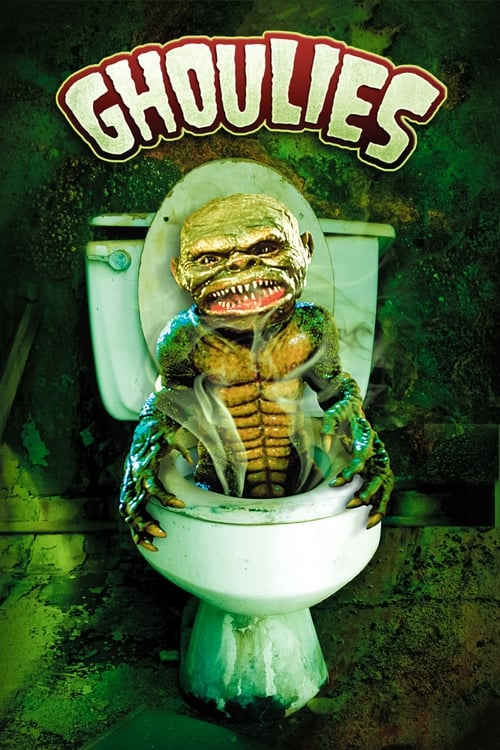
1985
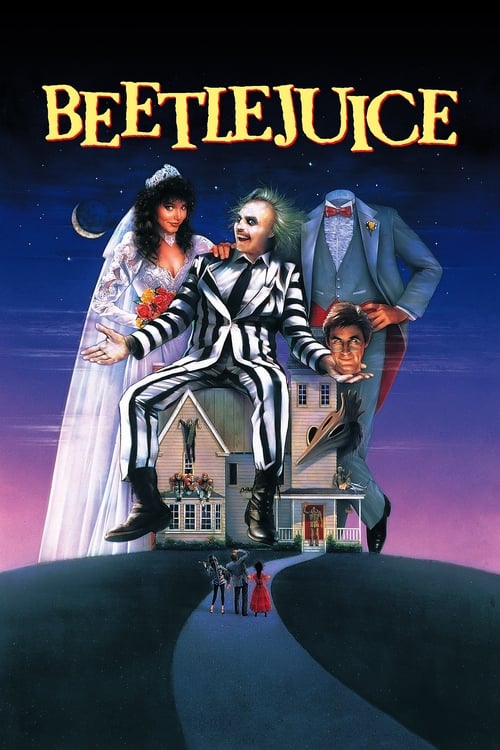
1988
No reviews yet. Be the first to share your thoughts on this movie!
Use the rating form above to leave a star rating and optional review.