Tall as the Baobab Tree
2012
No user ratings available yet
Representation score: 4.5 out of 10
Representation Score
Fair
2010
Director
Ana Luíza Azevedo
Runtime
104 minutes
Average Rating
No ratings yetNew Showbiz Analysis
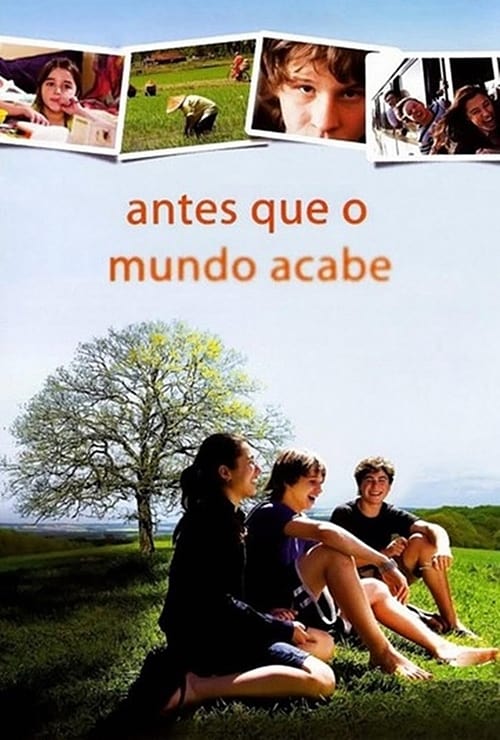
Before the World Ends explores non-traditional family dynamics, avoiding the pitfalls of idealized domesticity. By focusing on a household led by a mother and stepfather, it provides a more complex view of domestic life. However, the film lacks explicit representation of LGBTQ+ identities and provides no information on disability. The narrative remains centered on conventional adolescent development and straight-centered relationships.
Category Breakdown
The film centers on heterosexual adolescent development through Daniel's relationship with Mim. There are no explicit depictions of LGBTQ+ identities or same-sex relationships.
The story challenges traditional patriarchal structures by focusing on a household led by Elaine, shifting the focus to female characters and their roles in the family.
Set in the countryside of Rio Grande do Sul, the film hints at a more globalized view of identity. A connection to a father in Thailand suggests a move away from purely homogeneous narratives.
The narrative challenges the idea of a perfect nuclear family by centering on fragmented, non-traditional households. It emphasizes emotional complexity and situational morality over idealized family structures.
There is no mention of physical or neurodivergent disabilities. No specific characters are identified as having disabilities.
Present on Screen
Limited or Absent
Official Synopsis
The countryside of Rio Grande do Sul, and high-school student, Daniel, spends a normal adolescence life with his family, studying, riding his bicycle, playing games on the Internet and expecting one day to move to the big city of Porto Alegre. Daniel has a crush on his girlfriend Mim, who has just broken up with him but is still his friend, and his best friend, Lucas, is one of the best students in São Lucas High-School. Daniel is the son of Elaine and the photographer Daniel, who left Elaine when she was pregnant and moved alone to Thailand. Daniel is raised by Elaine and his stepfather Antônio, and shares a house with his half-sister, Maria Clara. One day, Daniel receives a letter from his biological father, who has malaria, and he is reluctant to open the envelope.
2012

2018

2011
2014

2014
2014

2020

2024
No reviews yet. Be the first to share your thoughts on this movie!
Use the rating form above to leave a star rating and optional review.