
Henryk from the Back Row
2012
No user ratings available yet
Representation score: 5.3 out of 10
Representation Score
Fair
2003
Director
Andreas Dresen
Runtime
80 minutes
Average Rating
No ratings yetNew Showbiz Analysis
Andreas Dresen’s documentary provides a realistic look at a conservative political campaign in the Uckermark region. It emphasizes sociological observation of a specific historical moment rather than identity-focused storytelling. The film’s low diversity scores come from its focus on a homogeneous, rural, post-socialist German community. It documents current social structures without trying to disrupt them through diverse representation. Overall, the film serves as a study of political and social changes during Germany’s transition to capitalism, rather than a platform for exploring multifaceted identities.
Category Breakdown
The documentary focuses on the mechanics of a conservative political campaign. It does not highlight LGBTQ+ stories or challenge assumptions about straight relationships.
Gender roles are shown through everyday interactions in a small town. The film reflects traditional gender roles without challenging them.
The film depicts a rural area in East Germany after reunification. It does not show significant racial or ethnic diversity.
The story captures the tension between old socialist systems and new capitalist ones. It shows a society in flux without promoting a single moral viewpoint.
The film does not focus on neurodivergence or physical disabilities. Instead, it highlights the political and social roles of the characters.
Present on Screen
Limited or Absent
Official Synopsis
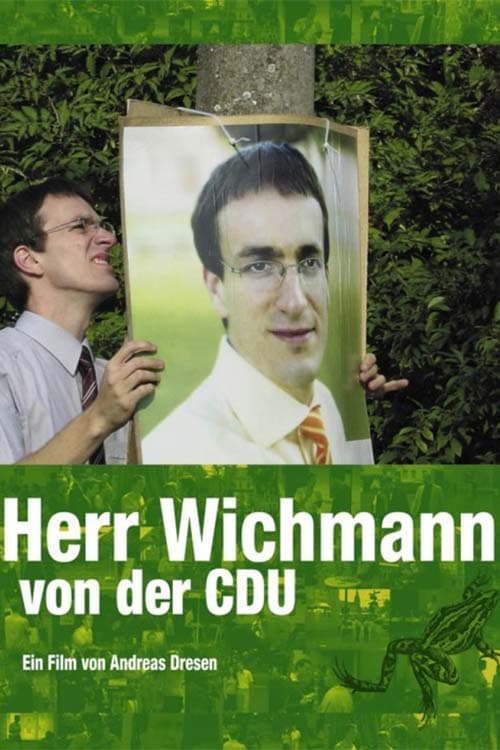
German national election campaign 2002: Henryk Wichmann from the conservative party is fighting a lost battle in the Uckermark.
2012

1935

2013

2020

1967
2019

2005

2019
No reviews yet. Be the first to share your thoughts on this movie!
Use the rating form above to leave a star rating and optional review.