Steven Wilson: Get All You Deserve
2012
No user ratings available yet
Representation score: 4.9 out of 10
Representation Score
Good
2019
NRDirector
Armand Beraud, André Chemetoff
Runtime
62 minutes
Average Rating
No ratings yetNew Showbiz Analysis
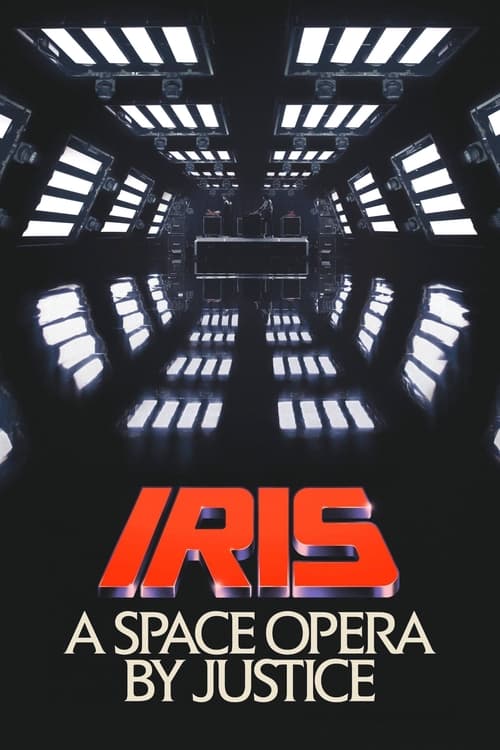
IRIS: A Space Opera by Justice is a formalist musical experience that prioritizes technical precision and light architecture over human storytelling. By focusing on a floating structure of LED panels and mirrors, the film exists in a vacuum of identity. This abstraction allows the work to avoid many traditional pitfalls of representation, such as reinforcing gender hierarchies, racial stereotypes, or religious iconography. However, the absence of human subjects means the film lacks intentional character's ability to drive the story and complexity in addressing diverse identities.
Category Breakdown
The film does not include any explicit LGBTQ+ identities or queer-coded narratives. Its abstract visual landscape avoids depicting any interpersonal relationships involving LGBTQ+ characters.
The film's focus on a kinetic LED structure removes the human element, avoiding traditional gender hierarchies and clichés.
The film uses geometric forms in an invisible space, avoiding the depiction of racial diversity but also sidestepping racial stereotypes.
The film emphasizes a secular, techno-centric experience, avoiding religious or nationalist iconography by prioritizing a futuristic aesthetic.
With no human characters depicted, the film does not represent physical or neurodivergent identities. Its abstract nature keeps a neutral stance on these issues.
Present on Screen
Limited or Absent
Official Synopsis
This is a 60-minute film of Justice’s 2017-2018 live show, recorded in an empty and invisible space without an audience, focusing exclusively on the impressive production and music. The show has been seen by millions of people around the world. It revolves around a floating structure comprised of 13 independent moving frames, each one featuring 4 rotating panels of LEDs, mirrors and traditional warm lights which offer infinite combinations. The structure is in constant evolution over the duration of the show and proposes several new visual landscapes on every track performed. The footage is captured with the precision and patience of a rigorous documentary about the cosmos.
2012
2016
2020

2019
2014
2015
2009
2022
No reviews yet. Be the first to share your thoughts on this movie!
Use the rating form above to leave a star rating and optional review.