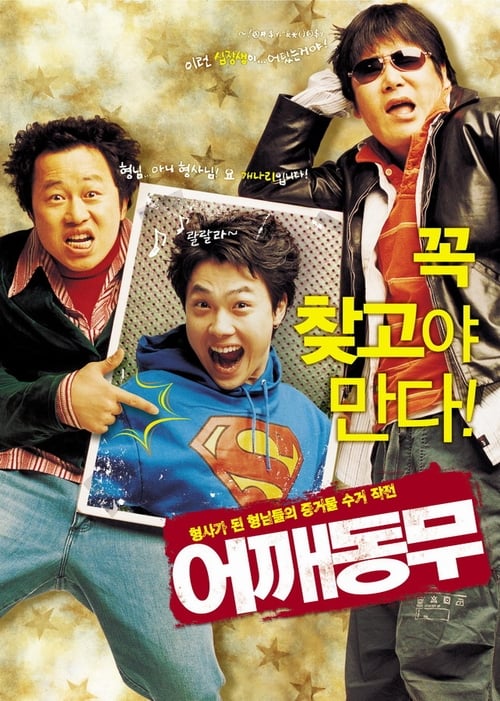
Who's Got The Tape?
2004
No user ratings available yet
Diversity score: 3.8 out of 10
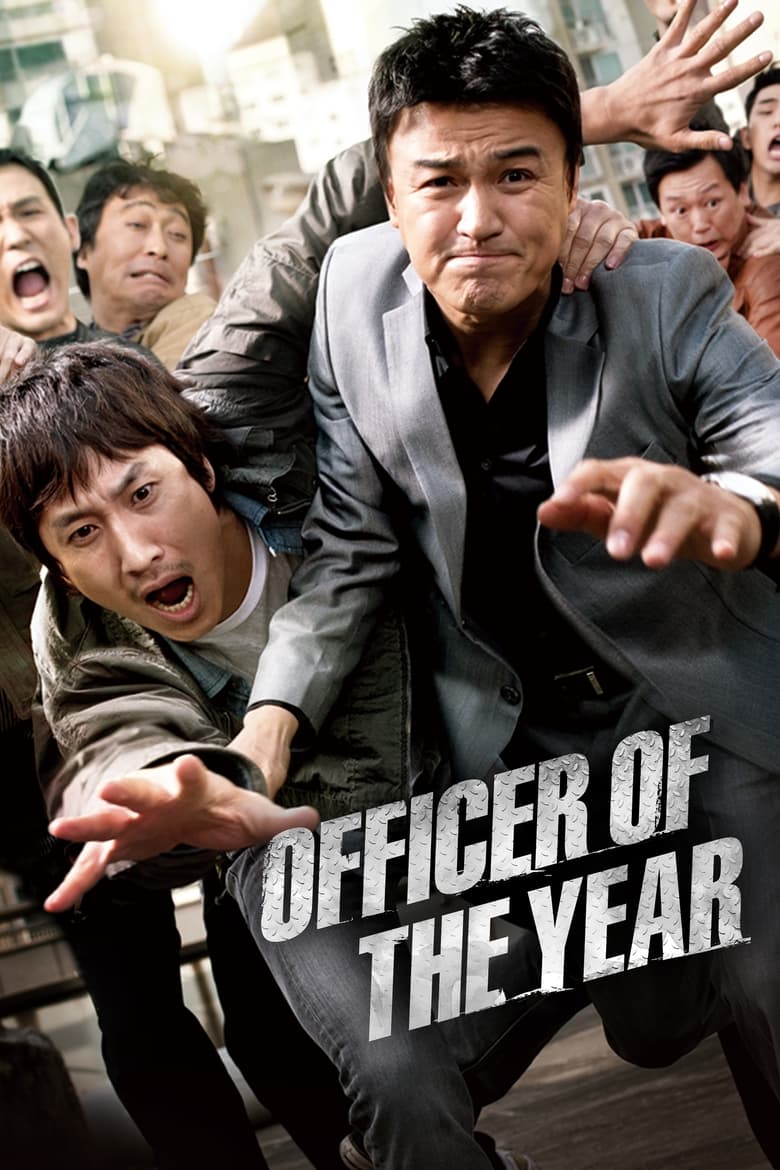
2011
Director
Lim Chan-ik
Runtime
117 minutes
Average Rating
No ratings yetSynopsis
Two police stations from neighboring precincts are in constant fierce competition with each other, including for the Officer of the Year award. But then a high-profile case forces them to work together.
Overall Score
Limited
Category Breakdown
LGBTQ+ Representation
The film lacks evidence of queer narratives or non-cisnormative identities. It focuses primarily on traditional masculine-coded professional competition within the police force.
Gender Representation
The story centers on male-dominated hierarchies within law enforcement. It does not explicitly demonstrate the elevation of female intellect or a subversion of gendered professional structures.
Racial & Ethnic Diversity
As a domestic South Korean production, the cast is predominantly homogeneous. The film reflects the localized cultural context without utilizing diverse ethnic blending as a narrative device.
Religious & Cultural Diversity
The film satirizes bureaucratic awards and institutional competition. It maintains a traditional respect for law enforcement rather than deconstructing social or capitalist institutions.
Disability Representation
There is no evidence of characters with visible or invisible disabilities serving as central plot drivers. No such representation is present in the narrative.
Strengths
Areas for Improvement
AI Analysis
Officer of the Year functions as a standard genre-driven action-comedy that prioritizes procedural tension and comedic rivalry over intersectional representation. The narrative architecture is built around institutional competition rather than the disruption of social hierarchies. The film adheres to the demographic and structural norms prevalent in early 2010s regional cinema. It focuses on the absurdity of professional ego within a traditional framework, offering little in the way of identity-based subversion.
2004
1990
2015

2006

2002
2004

2022
2005

2016
2017

2003

2015
No reviews yet. Be the first to share your thoughts on this movie!
Use the rating form above to leave a star rating and optional review.