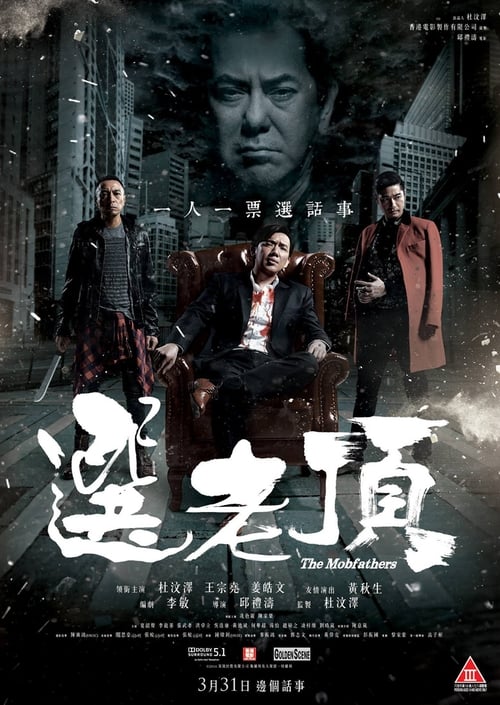
The Mobfathers
2016
No user ratings available yet
Representation score: 3.6 out of 10
Representation Score
Fair
2005
Director
Wong Jing, Billy Chung Siu-Hung
Runtime
90 minutes
Average Rating
No ratings yetNew Showbiz Analysis
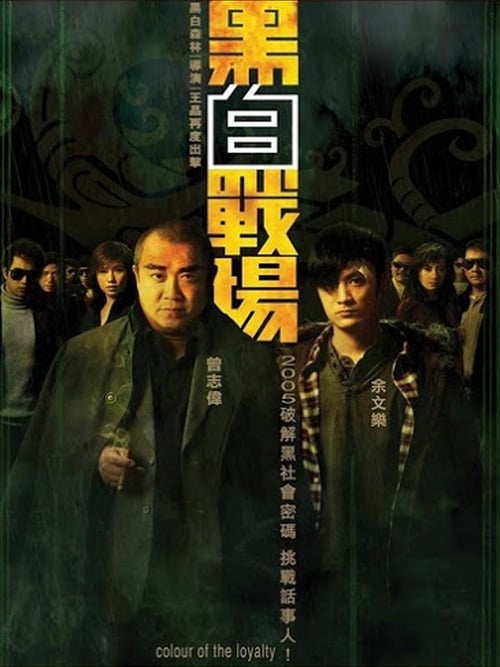
Color of the Loyalty is a genre-driven crime drama that emphasizes underworld hierarchies and traditional archetypes. The film studies specific social subcultures, particularly the codes of honor within triads, rather than deconstructing them. The narrative structure reinforces conventional power dynamics. While it offers a culturally specific look at Hong Kong's underworld, it adheres to established social structures and patriarchal authority. Ultimately, the film serves as high-energy genre entertainment, focusing on fast-paced action and stylistic excess rather than exploring diverse identities or challenging traditional social norms.
Category Breakdown
The film focuses on traditional romantic relationships and does not include characters with non-conforming gender identities or critiques of conventional orientations.
The story revolves around a male-dominated gangland hierarchy where a female character provides emotional support but remains secondary to the male power struggle.
As a local Hong Kong production, the film features a culturally homogeneous cast centered on an East Asian, Cantonese-speaking narrative, avoiding Western whitewashing.
The story delves into the specific codes of honor and organizational culture within triads, using a traditional moral framework without critiquing broader societal issues.
There is no evidence of characters with physical or neurodivergent disabilities in the film.
Present on Screen
Limited or Absent
Official Synopsis
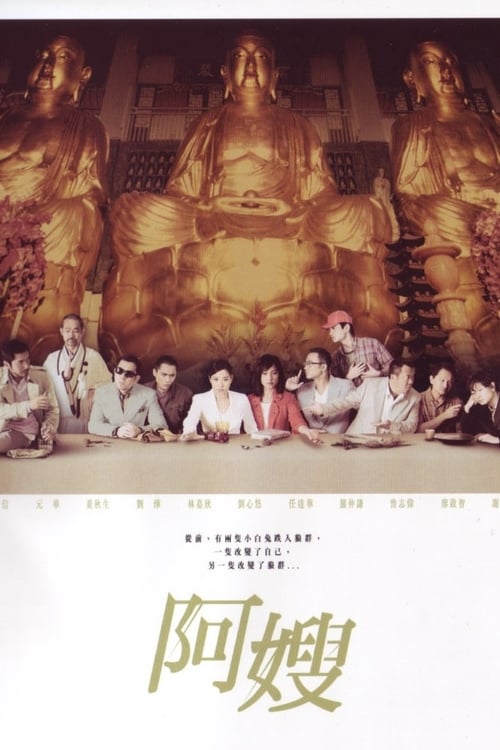
As befits a full-blooded Jiang Hu (underworld) antic, COTL takes place over the course of a short, frenetic period, feeling to all intents and purposes like one night. It encompasses plenty of gore and cadavers (unless you get the sanitized, inferior mainland version), relying to a large extent on so-called triad codes of honor and organizational culture. At its core resides old boss Dragon Brother, done by Eric Tsang in a repast from his barrage of comical roles and commercial endorsements. The head wants to retire, leading to chaos in gangland as everybody else desires his position and accumulated fortune. Following his fateful announcement, two rival Mafioso's become potential enemies as Dragon Brother and concubine (Suki Kwan) aim to leave Hong Kong in order to start a new life in Europe.
2016
1999
2012
2005
1998
2006
1981
2005
No reviews yet. Be the first to share your thoughts on this movie!
Use the rating form above to leave a star rating and optional review.