
Say a Word for the Poor Hussar
1980
No user ratings available yet
Representation score: 1.2 out of 10
Representation Score
Limited
1984
Director
Mikhail Shveitser
Runtime
388 minutes
Average Rating
No ratings yetNew Showbiz Analysis
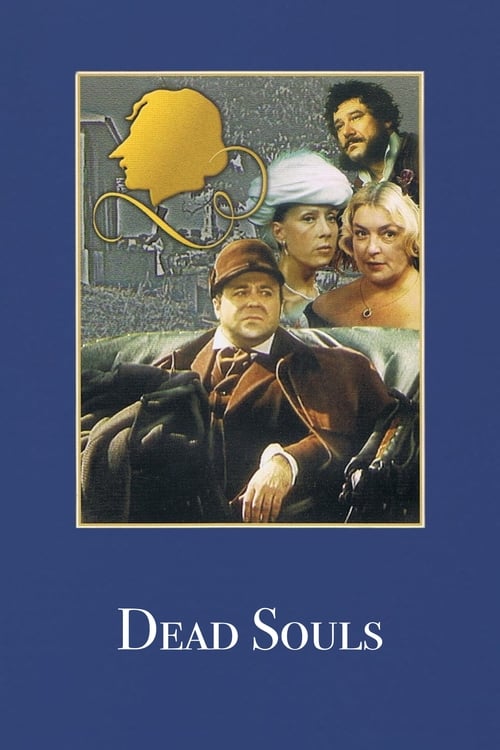
Dead Souls (1984) is a historical drama that focuses on critiquing systemic corruption rather than modern demographic diversity. While it lacks representation of gender, race, and LGBTQ+ identities, it provides a nuanced view of the decay of social hierarchies. The film's strength lies in its cultural depth, particularly in how it dismantles the perceived stability of the 19th-century Russian social order. It uses moral relativism to highlight the dysfunction of the ruling class. Overall, the film serves as a critique of class and institutional decay rather than a diverse social landscape, making it a specialized historical commentary.
Category Breakdown
The film depicts Imperial Russia without any queer narratives or non-traditional gender identities. There are no LGBTQ+ characters or stories involving non-cisgender identities.
Women in the film are mostly confined to domestic or social roles within the landed gentry. The movie does not feature female characters who actively challenge patriarchal norms.
The social structure shown in the film is fairly uniform, reflecting historical Russian society. The narrative focuses on class distinctions rather than diverse racial or ethnic backgrounds.
The film successfully critiques traditional institutions and exposes the greed of proto-capitalism. It portrays the landed gentry as victims of their own avarice.
There are no meaningful depictions of neurodivergence or physical disabilities. Characters are defined by their socioeconomic status and moral failings.
Present on Screen
Limited or Absent
Official Synopsis
Pavel Ivanovich Chichikov plans to buy the titles to “dead souls” and use them as collateral to obtain a large loan. He comes to a small provincial town and begins to proposition the local landowners. These landowners are revealed to be so petty and avaricious that not even Chichikov’s amazing offer can be worked to his advantage on them. Some stall, some refuse for no obvious reasons, some promise and then renege, and others want “in on the deal.” In the end, Chichikov, having concluded that the landowners are a hopeless lot, leaves for other regions.
1980

1989
1984
1985
1975
1947
1952
1976
No reviews yet. Be the first to share your thoughts on this movie!
Use the rating form above to leave a star rating and optional review.