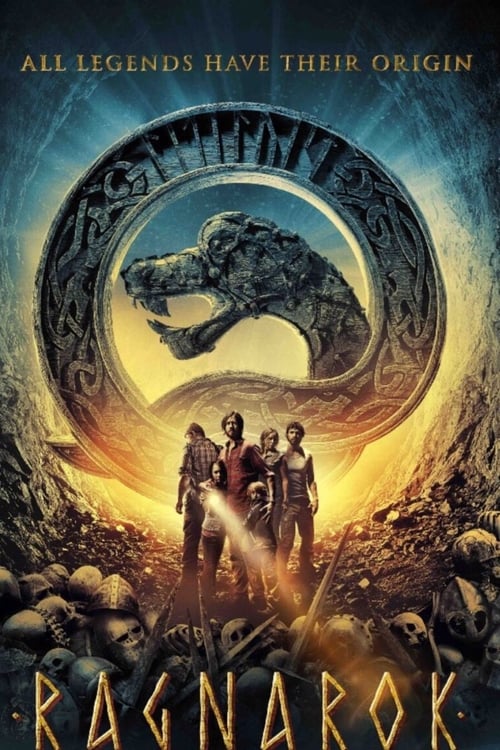
Ragnarok
2013
No user ratings available yet
Representation score: 1.9 out of 10
Representation Score
Minimal
2016
Director
Tom Barker, Victor Mawer
Runtime
83 minutes
Average Rating
No ratings yetNew Showbiz Analysis
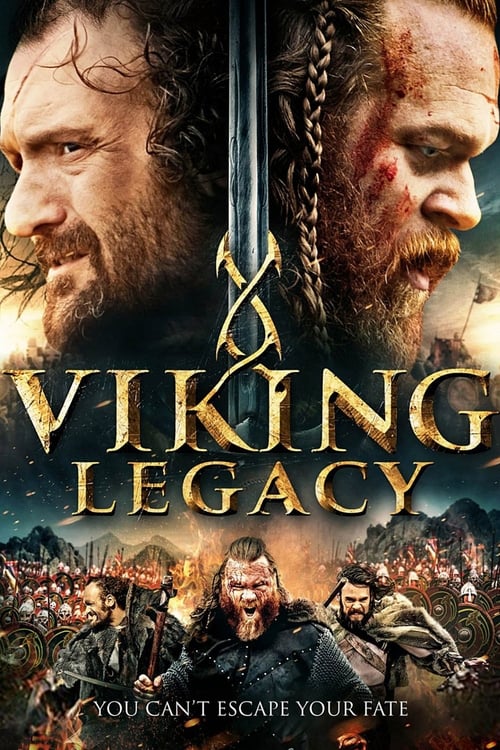
Viking Legacy operates as a conventional historical adventure that prioritizes established mythic clichés over social subversion. While it features a central female character, her importance is derived from her royal bloodline and patriarchal lineage rather than independent identity. The film relies heavily on traditional Western frameworks, using religious councils and ancient European archetypes to drive the plot. This focus on historical hierarchies limits the scope of its cultural and social representation. Ultimately, the work adheres to standard genre conventions, offering little disruption to conventional norms regarding gender, religion, or identity.
Category Breakdown
The film does not include any visible LGBTQ+ characters or queer narratives. The story revolves around traditional royal bloodlines and assumes everyone is straight or cisgender.
A female protagonist drives the plot through her role as the King's Daughter. However, her role is closely tied to patriarchal structures and her father's legacy.
The setting uses Celtic and Viking archetypes within an ancient European landscape. The narrative leans into traditional Western historical clichés without evidence of diverse casting.
The plot centers on a Christian Council and the preservation of sacred artifacts. It reinforces traditional Western religious and social hierarchies.
There is no representation of characters with visible or invisible disabilities. The narrative does not address neurodivergent experiences.
Present on Screen
Limited or Absent
Official Synopsis
In ancient times, there were seven sacred scrolls believed to grant power and prosperity to those who possessed them. Prophecy told that a child born in pure Royal blood would one day harness power and rule over the nations. As men fought to claim the scrolls, Europe was pushed to the brink of war. In order to maintain peace, a Celtic King, the Father of a pure blood child, obtained the scrolls and gave them to the Christian Council for safe keeping. As word of the King’s actions spread, a warlord hell – bent on finding the scrolls murdered him in cold blood. And so, the King’s Daughter, like the scrolls, was taken into hiding until the day that the prophecy could be fulfilled ...
2013
2010
2014
2017
2016
1958
1995

2004
No reviews yet. Be the first to share your thoughts on this movie!
Use the rating form above to leave a star rating and optional review.