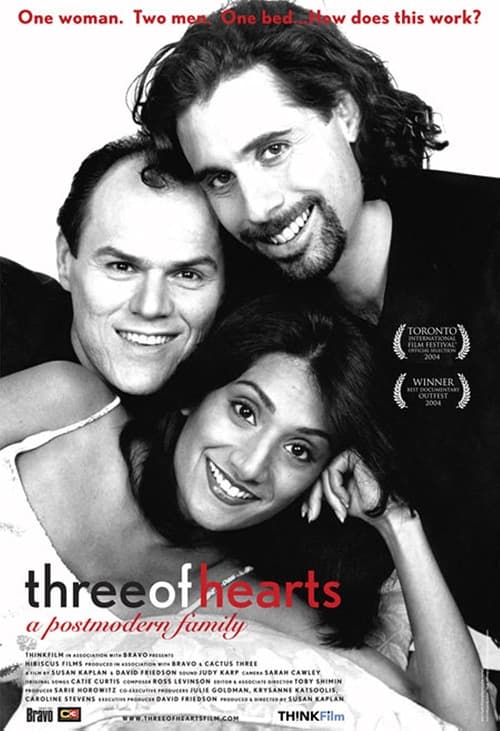
Three of Hearts: A Postmodern Family
2005
No user ratings available yet
Representation score: 4.9 out of 10

Representation Score
Good
2014
Director
António da Silva
Runtime
17 minutes
Average Rating
No ratings yetNew Showbiz Analysis
Daddies (2014) functions as a specialized sociological study of specific identity markers within the LGBTQ+ community. It excels at deconstructing traditional relationship hierarchies, providing a platform for identities often underrepresented even within broader queer discourses. The film's primary strength lies in its detailed documentation of niche queer identities, particularly the 'Daddy' identity. By exploring polyamory and various sexual roles, it effectively challenges the standard of monogamy. However, the film's scope is narrow. While it provides rich detail regarding age and sexuality, it lacks clear evidence of racial or ethnic diversity, remaining focused on a specific San Francisco subculture.
Category Breakdown
The film offers deep insights into the 'Daddy' archetype within leather and bear subcultures. It validates identities that exist outside mainstream queer archetypes by highlighting niche sexual identities.
Masculinity is examined through a queer lens, presenting it as a multifaceted identity. The film challenges traditional patriarchal structures by emphasizing intimacy and communal connections over dominance.
The documentary focuses on the social structures of San Francisco's queer community. However, there is limited evidence to confirm a high degree of racial or ethnic diversity among the subjects.
The narrative challenges Western norms by presenting polyamory and triads as valid alternatives to the nuclear family. It frames these non-traditional structures as forms of personal liberation.
There is no evidence within the film regarding the portrayal of characters with physical or neurodivergent disabilities.
Present on Screen
Limited or Absent
Official Synopsis
There is always the first time you are called a daddy. It’s more than just a question of age. Leather Daddies, Daddy Bears and Daddies that don’t fit into the usual categories. They talk about their Daddy identity, gay relationships, polyamory, and appetite for sex. Monogamy and open relationships co-exist in San Francisco as they do everywhere, but nowhere else has so many polyamorous men, men who embrace multiple love in their own personal way within the community. It is not just daddy/son, there are also guys in a number of relationships, or men in triads or foursomes.
2005
2019
2009
2017
2002
2010

2013
2017
No reviews yet. Be the first to share your thoughts on this movie!
Use the rating form above to leave a star rating and optional review.