
A testa alta - Libero Grassi
2018
No user ratings available yet
Representation score: 0.8 out of 10
Representation Score
Limited
2000
Director
Gianluca Maria Tavarelli
Average Rating
No ratings yetNew Showbiz Analysis
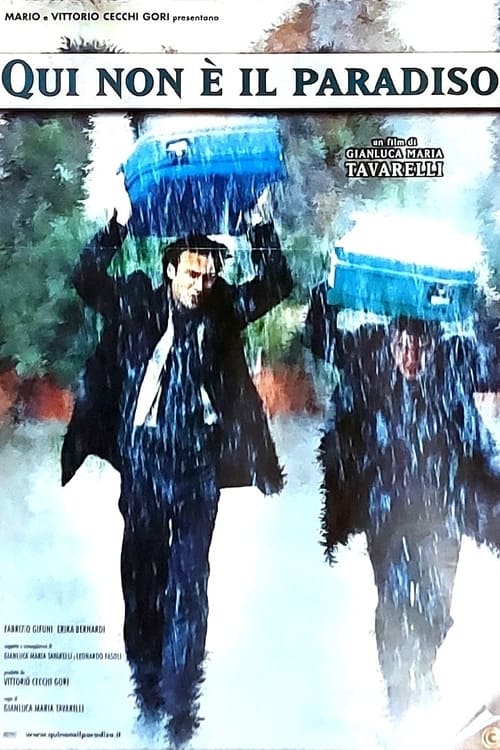
Qui non è il paradiso is a character-driven neo-noir that prioritizes existential critique over broad demographic representation. It examines individual disillusionment within a systemic framework, focusing on the tension between personal desires and societal structures. The film lacks significant representation of diverse identities, particularly around race, gender, and sexuality. The narrative is set in a localized, homogeneous Italian context that reflects specific socio-geographic realities rather than a multicultural environment. Despite these demographic limitations, the film offers a critical perspective. It questions the stability of the social order by portraying institutional authority as a destructive force and examining the failures of contemporary life.
Category Breakdown
The film centers on the relationship between Renato and Walter, which is portrayed within a heterosexual framework. There are no indications of queer subtext or diverse gender identities.
The story emphasizes the male experience and traditional masculine roles. Although Erika Bernardi is a prominent figure, the plot is primarily driven by male characters.
Set in Turin, the film depicts a localized and homogeneous Italian environment. The narrative focuses on domestic social issues without incorporating multicultural or ethnic diversity.
The film challenges traditional prosperity narratives by showing characters living unhappy lives. Their desire to escape to Costa Rica highlights their dissatisfaction with current social structures.
There is no mention of characters dealing with physical, neurodivergent, or mental health disabilities in the provided plot and cast information.
Present on Screen
Limited or Absent
2018

2022

2024

2019
1979
1979
1998

2011
No reviews yet. Be the first to share your thoughts on this movie!
Use the rating form above to leave a star rating and optional review.