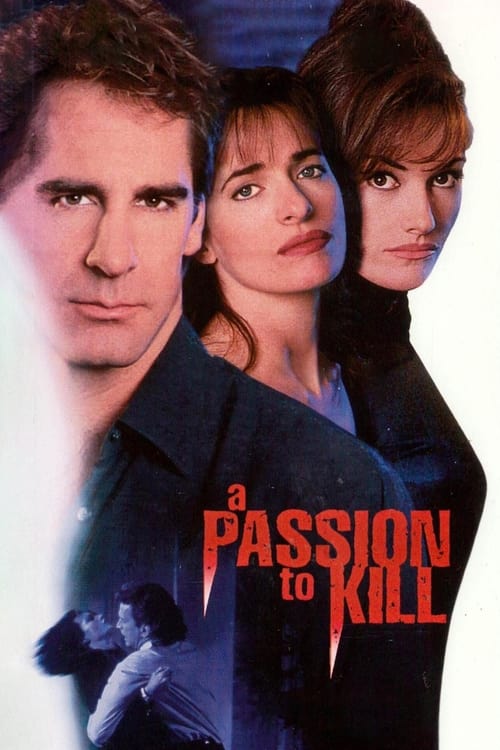
A Passion to Kill
1994
No user ratings available yet
Representation score: 3.2 out of 10

Representation Score
Fair
2000
Director
David Green
Runtime
100 minutes
Average Rating
No ratings yetNew Showbiz Analysis
The film opens with the cold, clinical gaze of a medical drama, framing the body as a site of diagnostic scrutiny rather than personal agency. *Breathtaking* (2000) sells a vision of professional competence where the psychiatrist’s authority is the primary lens through which trauma is processed. The pictures like the detached observer: Richard and the Pathologist are the unmarked majority, holding the knowledge that defines Caroline’s reality. The camera lingers on Caroline’s face, treating her as the moral center, but her agency is limited to enduring the clinical process. The sold meaning is that expertise is neutral and necessary, even when it feels like intrusion. The film’s argument pulls apart when it contrasts the warmth of the personal bond with the sterility of the institutional setting. The "abuse" is the plot engine, but the system that responds to it is never truly punished or celebrated; it simply exists. This creates a tension where the viewer is asked to trust the medical hierarchy while simultaneously feeling its coldness. The last image, a state of diminished reality, does not reward a return to normalcy but accepts the permanence of trauma. It is a traditional hierarchy of knowledge where the woman is the patient and the men are the healers, and the story ends not with liberation, but with management.
Category Breakdown
No queer identity or same-sex intimacy appears in the cast or plot. The psychiatrist-patient dynamic remains strictly heterosexual, leaving LGBTQ+ themes entirely absent from the frame.
Caroline anchors the narrative as the moral center, with the camera lingering on her trauma rather than treating her as a prize. Male figures hold institutional authority but remain competent, maintaining a traditional hierarchy of power.
The cast is entirely white British, reflecting the unmarked majority of the setting. No non-white characters appear in billed roles, leaving racial dynamics completely absent from the visual frame.
The medical institution serves as a neutral, clinical backdrop rather than a site of systemic critique. Family ties are present but secondary to the professional dynamic, with no explicit judgment on Western institutions.
Psychological trauma drives the plot, but no character is depicted with a physical or neurodivergent disability as a central identity. Abuse functions as a thriller device rather than an ongoing lived experience of impairment.
Present on Screen
Limited or Absent
Official Synopsis
A beautiful psychiatrist befriends an abused patient, ultimately leading to lust and murder.
1994

1986

1998
2010

2001

2013

1995

1994
No reviews yet. Be the first to share your thoughts on this movie!
Use the rating form above to leave a star rating and optional review.