
Heidi
2015
No user ratings available yet
Representation score: 2.9 out of 10
Representation Score
Good
1988
Director
Per Bronken
Runtime
66 minutes
Average Rating
No ratings yetNew Showbiz Analysis
Surrender is a naturalist drama that emphasizes psychological depth over demographic diversity. Its primary strength lies in how it handles the protagonist's relationship with his medical environment, using his illness as a driver for character's ability to drive the story rather than just a tragic event. However, the film remains limited by its period-specific homogeneity. It lacks representation of racial, gender, and LGBTQ+ diversity, keeping the overall score in a moderate range. Ultimately, the film succeeds as a character study of individual autonomy against systemic authority, even if it operates within a narrow cultural lens.
Category Breakdown
The film does not include any explicit LGBTQ+ characters or stories that challenge traditional heterosexual norms.
The story centers around a young male protagonist fighting for independence. However, it does not include diverse gender roles or challenge traditional masculine stereotypes.
The cast appears to be predominantly of the same ethnicity, reflecting the film's 1988 Norwegian context.
The film critiques institutional control through the protagonist's struggle against the sanatorium, highlighting the breakdown of the distinction between health and sickness.
The film portrays illness as a catalyst for rebellion, focusing on the protagonist's active role in resisting his condition.
Present on Screen
Limited or Absent
Official Synopsis
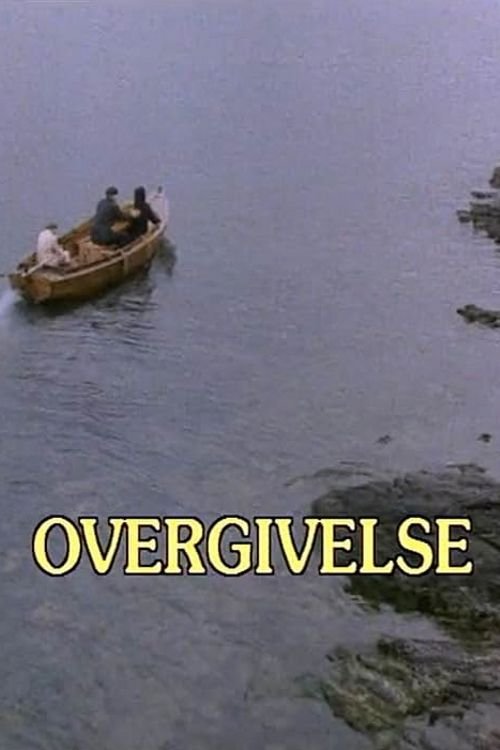
The parents brought the boy to the sanatorium. He does not like to be among patients, because he just got sick neck, what brought him here? He decides to build a raft and escape, because he is not among these patients. What came out of this idea? What if suddenly comes the understanding that you're one of them?
2015

1995

2017

1986

1993

2011

2012

1985
No reviews yet. Be the first to share your thoughts on this movie!
Use the rating form above to leave a star rating and optional review.