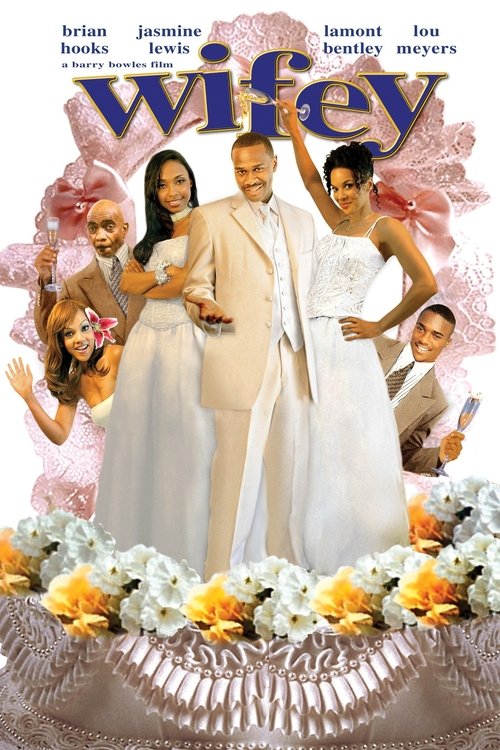
Wifey
2005
No user ratings available yet
Diversity score: 3.8 out of 10

1981
RDirector
Andrew Bergman
Runtime
90 minutes
Average Rating
No ratings yetSynopsis
While trying to get his father out of a financial jam, a man comes up with an idea that turns into an unexpected overnight financial fashion success - the bottomless pants.
Overall Score
Fair
Category Breakdown
LGBTQ+ Representation
The film lacks LGBTQ+ characters or non-cisnormative identities. The romantic focus stays strictly within heteronormative frameworks typical of a 1940s setting.
Gender Representation
Female lead Shari is central to the emotional plot, yet the film follows mid-20th-century social expectations. It relies on conventional romantic archetypes rather than subverting gender hierarchies.
Racial & Ethnic Diversity
The story provides meaningful representation of Jewish-American ethnic identity in 1940s Brooklyn. However, the cast remains largely homogeneous, limiting broader intersectional racial diversity.
Religious & Cultural Diversity
The narrative explores the tension between individual agency and Jewish communal traditions. It focuses on preserving ethnic identity within a traditional framework rather than critiquing religious institutions.
Disability Representation
There is no significant evidence regarding the portrayal of physical or neurodivergent disabilities in this film.
Strengths
Areas for Improvement
AI Analysis
So Fine serves as a period-specific ethnic comedy that finds its strength in centering Jewish-American identity. By focusing on the cultural nuances and socioeconomic pressures of a Brooklyn community, it avoids the generic Anglo-Saxon perspective common in mainstream cinema of its era. However, the film remains socially conservative in its structural approach. It operates within traditional romantic tropes and does not attempt to deconstruct established gender or religious hierarchies. The lack of queer representation and limited racial intersectionality keeps the scope narrow. Ultimately, the film offers culturally specific inclusion but lacks systemic subversion. It celebrates communal stability and ethnic tradition rather than challenging the social status quo.
2005
1987

2010
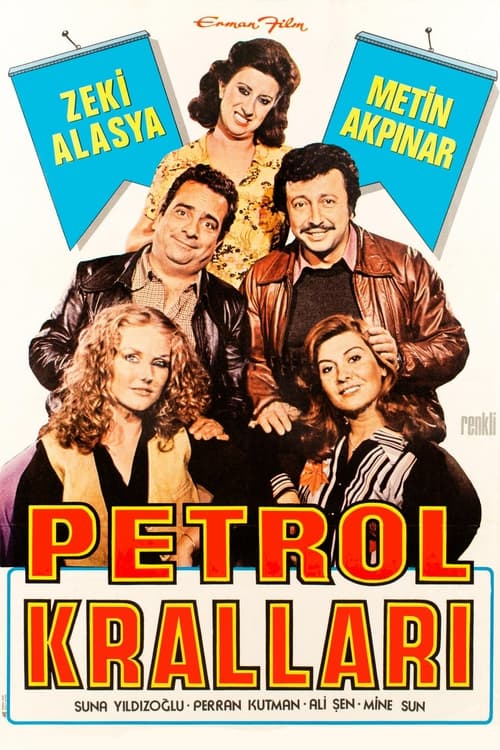
1978

1998

2002
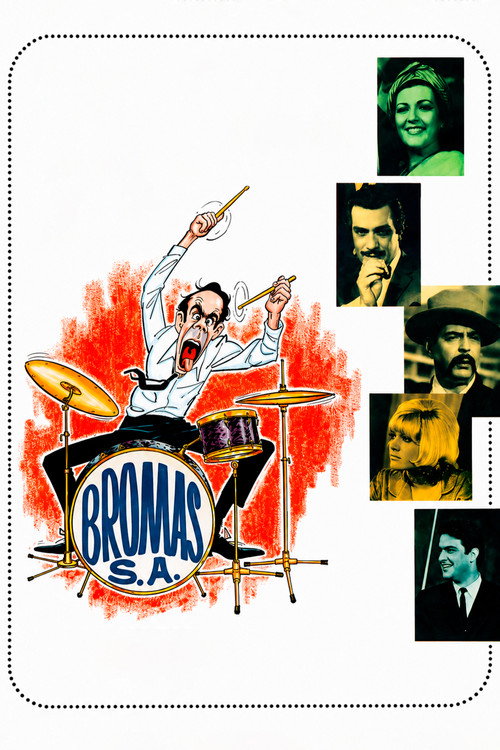
1967
1980

1964
1938

1988

2009
No reviews yet. Be the first to share your thoughts on this movie!
Use the rating form above to leave a star rating and optional review.