
Héctor el Father: Conocerás la verdad
2018
No user ratings available yet
Representation score: 3.9 out of 10
Representation Score
Limited
2003
RDirector
Andrew Molina
Average Rating
No ratings yetNew Showbiz Analysis
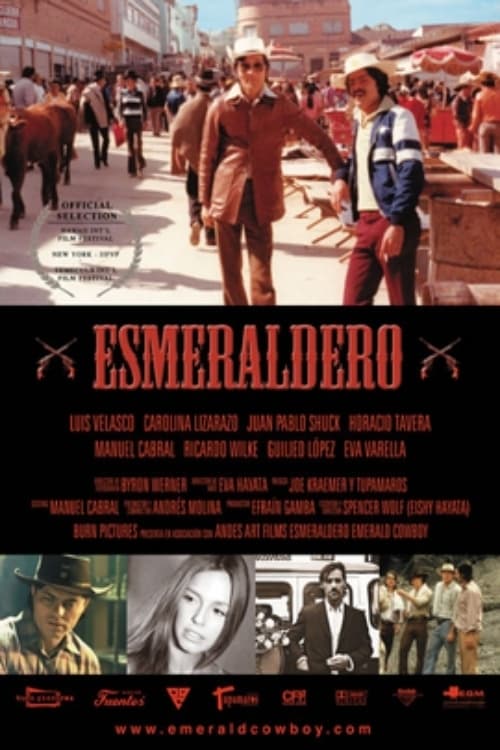
Esmeraldero examines ethnic identity and professional success. Its key strength lies in its departure from Western-centric biographical norms by centering a Japanese-American protagonist. However, the film's focus on a singular male protagonist limits its scope and diversity. While it diversifies the demographic landscape of professional success stories, it remains unclear how it addresses systemic power dynamics or broader social issues.
Category Breakdown
The film does not include any explicit references to LGBTQ+ characters or non-cisgender identities. The story focuses solely on the professional journey of the main character.
The story centers around a single male protagonist, Eishy Hayata. The narrative emphasizes his professional achievements and masculine-coded success.
The film challenges Anglo-centric leadership norms by featuring a Japanese-American protagonist. It highlights the rise of a non-white individual to legendary status.
The narrative explores the blend of Japanese cultural identity and Western professional environments. It follows the success story of a Japanese-American individual within established capitalist structures.
There is no indication of characters with visible or invisible disabilities. No assessment of disability representation can be made.
Present on Screen
Limited or Absent
Official Synopsis
The true story of the rise of a Japanese businessman from Los Angeles named Eishy Hayata from an Airline engineer into the legend of the Emerald world -- the Emerald Cowboy
2018

2016

2014
2023

2017

2011

2020
2018
No reviews yet. Be the first to share your thoughts on this movie!
Use the rating form above to leave a star rating and optional review.