Don't Hug Me I'm Scared 5
2015
No user ratings available yet
Representation score: 7.0 out of 10
Representation Score
Good
2020
Director
Jesse Blanchard
Runtime
90 minutes
Average Rating
No ratings yetNew Showbiz Analysis
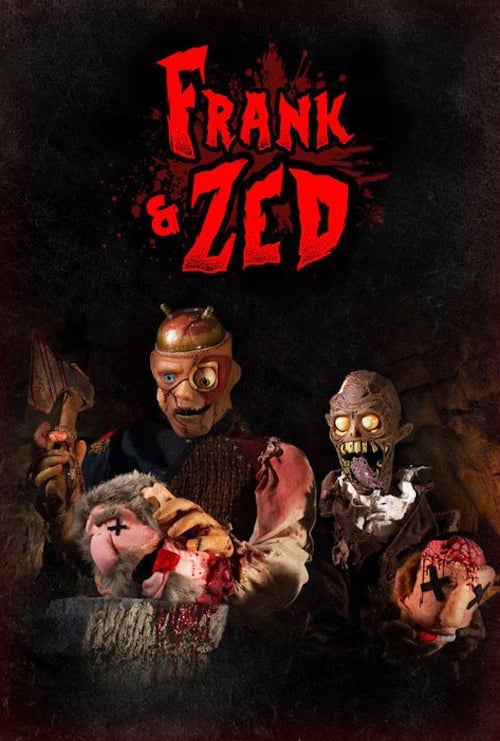
Frank & Zed uses an all-puppet format to explore themes of identity and social exclusion. By focusing on monsters living on the outskirts of a doomed village, the film shifts the focus away from traditional patriarchal institutions toward underrepresented outsiders. The use of non-human characters serves as a powerful metaphor for diversity. This approach allows the film to bypass standard demographic clichés and instead examines the concept of 'otherness' through a stylized, fantastical lens. Though the film lacks explicit human demographic representation, its narrative structure successfully disrupts conventional expectations of heroism and social order by prioritizing unconventional companionship and bodily difference.
Category Breakdown
The film doesn't show explicit same-sex relationships or non-cisgender identities. However, it highlights a strong, loving friendship between two non-human characters. This bond exists outside the typical straight relationship structures of the village.
The story focuses on a power struggle involving a king and traditional hierarchies. However, the focus shifts to underrepresented monsters rather than patriarchal leadership. This disrupts the usual social order.
Using an all-puppet cast, the film avoids traditional human racial hierarchies. The monsters act as metaphors for otherness, reflecting underrepresented experiences through a fantastical, non-human perspective.
The story challenges Western-style institutions like the monarchy, showing them as sources of instability. It portrays the established community as reactionary and fearful of outsiders.
Frank’s identity as a Frankenstein-type monster deals with themes of physical difference. The story values connections and companionship over traditional standards of physical perfection.
Present on Screen
Limited or Absent
Official Synopsis
Featuring an all-puppet cast, Frank and Zed tells the story of a doomed village, whose King made a fateful deal to stop a demon from destroying the village years before. Now, as the prophecy comes true upon the King’s death, the villagers brace for an orgy of blood. Living in a destroyed castle not far from the village are Frank and Zed, a Frankenstein-type monster and his brain-eating companion. As the villagers prepare for their impending doom, the two monsters are pulled into a war of epic, puppet-mutilating proportions. This debut feature film by Jesse Blanchard is a hilarious tale of misguided fears, innocent brain consumption, and a loving friendship.
2015
2012
2009
2024
2014
2025
2021
2014
No reviews yet. Be the first to share your thoughts on this movie!
Use the rating form above to leave a star rating and optional review.