
Kidnapped: The Hannah Anderson Story
2015
No user ratings available yet
Representation score: 1.9 out of 10
Representation Score
Limited
1972
Director
Jack Smight
Runtime
74 minutes
Average Rating
No ratings yetNew Showbiz Analysis
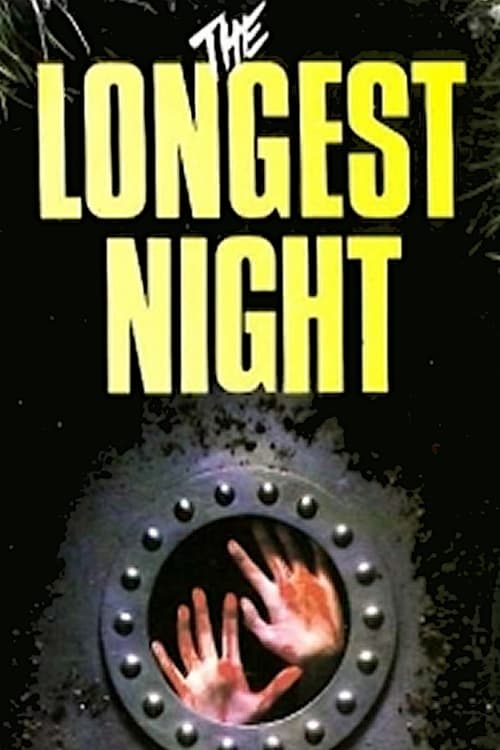
The Longest Night is a period-specific crime drama that prioritizes high-stakes suspense over social subversion. The narrative architecture is built around a traditional family unit and the effectiveness of law enforcement, reflecting the television standards of the early 1970s. While the film centers on a female protagonist, her role is defined by vulnerability and the need for external rescue. The story lacks depth in representing multiple aspects of identity, focusing instead on individual survival within a conventional social framework. Ultimately, the film functions as a standard thriller. It reinforces existing social hierarchies and traditional Western values rather than exploring diverse identities or challenging systemic norms.
Category Breakdown
The film centers on a kidnapping plot involving a female victim and her family. There is no representation of LGBTQ+ identities or narratives that question the assumption that everyone is straight or cisgender.
A female character drives the emotional tension, but her role is limited by her physical imprisonment. Power dynamics rely on traditional family structures and law enforcement to provide rescue.
Reflecting its 1972 production context, the film focuses on a wealthy family demographic. There is no indication of diverse casting or non-white characters in positions of significant influence.
The narrative adheres to traditional Western structures, emphasizing the preservation of the nuclear family. It reinforces the necessity of institutional intervention rather than offering critiques of systemic issues.
The protagonist's confinement in a ventilated coffin serves as a suspenseful plot device. This physical helplessness functions as a thriller cliché rather than meaningful representation of disability.
Present on Screen
Limited or Absent
Official Synopsis
The daughter of a wealthy family is kidnapped and imprisoned underground in a custom-built, ventilated coffin while her family and the police search for her. But the battery that powers the ventilation is running out of juice and the ransom drop has been botched. This movie was originally shown as an ABC Movie of the Week on September 12, 1972. The story is based on the 1968 kidnapping of Barbara Mackle by Gary Krist.
2015
2015

2019

2013
2026
2009

2018
2007
No reviews yet. Be the first to share your thoughts on this movie!
Use the rating form above to leave a star rating and optional review.