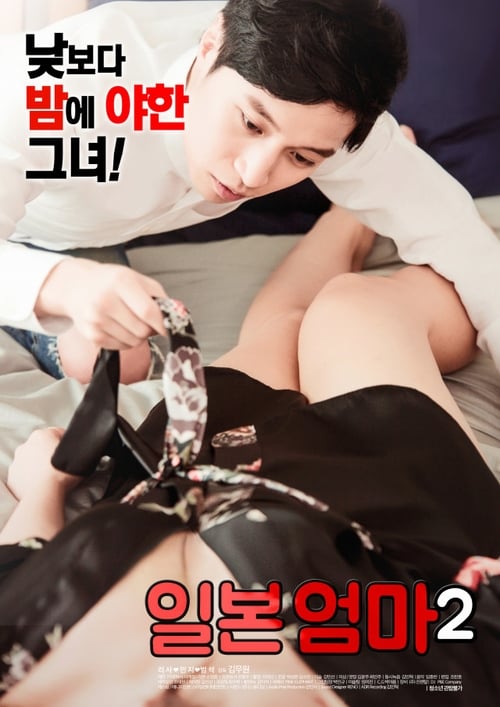
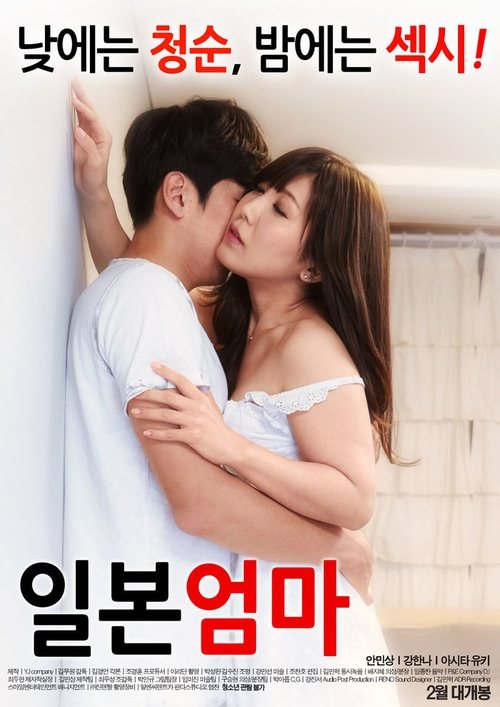
Japanese Mom 2
2017
No user ratings available yet
Representation score: 5.4 out of 10
Representation Score
Limited
2017
Director
Kim Moo-won
Runtime
91 minutes
Average Rating
No ratings yetNew Showbiz Analysis
Japanese Mom explores transgressive interpersonal dynamics through the lens of an international marriage. While it avoids traditional submissive female clichés by centering female sexuality, it remains tied to conventional romantic and sexual archetypes. The film finds its strength in ethnic diversity, using the Japanese-Korean connection to drive the plot. However, the narrative lacks depth regarding systemic social issues or queer identities, keeping the focus on individual infidelity. Ultimately, the work functions as a niche adult drama that disrupts domestic stability without offering a broader progressive critique of social or gender hierarchies.
Category Breakdown
The film does not include any explicit LGBTQ+ characters or non-straight relationships. Instead, it centers on a traditional heterosexual relationship involving infidelity and forbidden attraction.
Yuki is portrayed as a desirable woman who disrupts the male-dominated family structure. However, her role in the story relies on the 'femme fatale' stereotype rather than giving her a strong social influence.
The story explores ethnic blending through an international marriage between a Japanese protagonist and a Korean family. This provides a layer of ethnic diversity within the drama.
The narrative challenges idealized models of the stable, moral family by showing marriage and household sanctity as fragile. It focuses on individual moral actions rather than systemic critiques.
There are no visible or invisible disabilities depicted in the film.
Present on Screen
Limited or Absent
Official Synopsis
"Innocent face, D-cup breasts and perfect intercourse skills! Son, this is not your girlfriend anymore but your mother!" Ki-ho brings Yuki from Japan to marry her. However, he starts cheating on her with his ex-girlfriend in Korea. Min-cheol comforted Yuki and thought of her as his daughter-in-law, but one day he realizes he is looking at her as a woman. In the end, Yuki and Min-cheol have intercourse without Ki-ho knowing...
2017

2012

2018
2019
2023

2019
2016

2019
No reviews yet. Be the first to share your thoughts on this movie!
Use the rating form above to leave a star rating and optional review.