
Pink Punch
2004
No user ratings available yet
Representation score: 1.7 out of 10
Representation Score
Limited
2006
Not RatedDirector
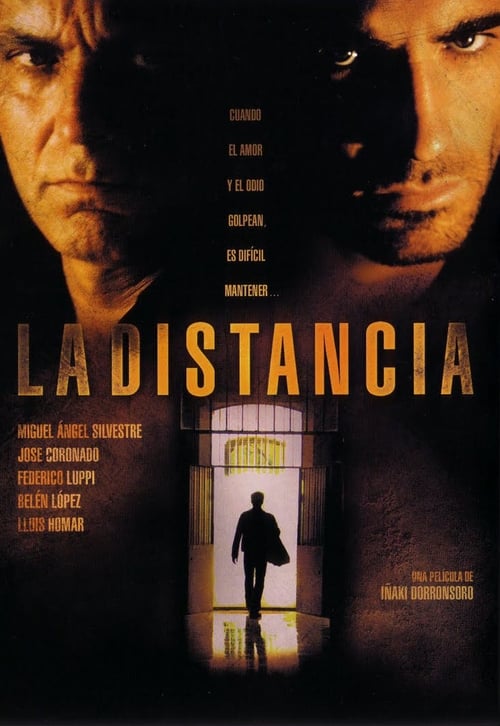
Iñaki Dorronsoro
Runtime
104 minutes
Average Rating
No ratings yetNew Showbiz Analysis
La distancia is a character-driven drama that prioritizes psychological depth over broad demographic representation. It excels in breaking down traditional authority figures, especially through the lens of suppressed identity and systemic corruption. The film's strength lies in its avoidance of simple hero-versus-villain clichés. By examining the internal experiences of its protagonists, it offers a sophisticated view of how guilt and societal pressure influence individual morality. However, the film remains heavily centered on masculine environments. The lack of female empowerment and the absence of diverse racial or disability-related narratives limit its overall demographic range.
Category Breakdown
The film focuses on Guillermo, a policeman dealing with hidden homosexuality. It delves into the mental stress and societal pressures of managing a hidden identity within a strict social structure.
The story unfolds mainly in masculine environments such as boxing and policing. Although a widow provides emotional support, her role remains secondary to the male-centric conflict and established hierarchies.
The narrative emphasizes individual psychological and moral dilemmas. There is no indication of specific racial or ethnic narratives in the given context.
The film criticizes institutional stability by depicting a morally compromised police officer. It highlights subjective morality and personal trauma rather than traditional virtues or restorative justice.
There is no mention of physical, neurodivergent, or sensory disabilities in the provided material. The focus is solely on the characters' moral and psychological struggles.
Present on Screen
Limited or Absent
Official Synopsis
Daniel, a young boxer on the point of winning the title several times, is beaten yet again and commits a robbery that lands him in jail. Guillermo, a self-destructive policeman tormented by his latent homosexuality, blackmails Daniel into committing a murder behind bars. In exchange, Daniel gains his freedom and returns to the only thing he knows how to do: box. But this time the search for pain to relieve the guilt has made his conservative style more aggressive. He remembers the last conversation he had with the man he killed, when he talked about his wife, and goes to meet her. Seeing danger in the relationship between the victim's murderer and his widow, Guillermo tries to stop it.
2004

2007

1996

2005

2007

2003

1997

2019
No reviews yet. Be the first to share your thoughts on this movie!
Use the rating form above to leave a star rating and optional review.