Find another title
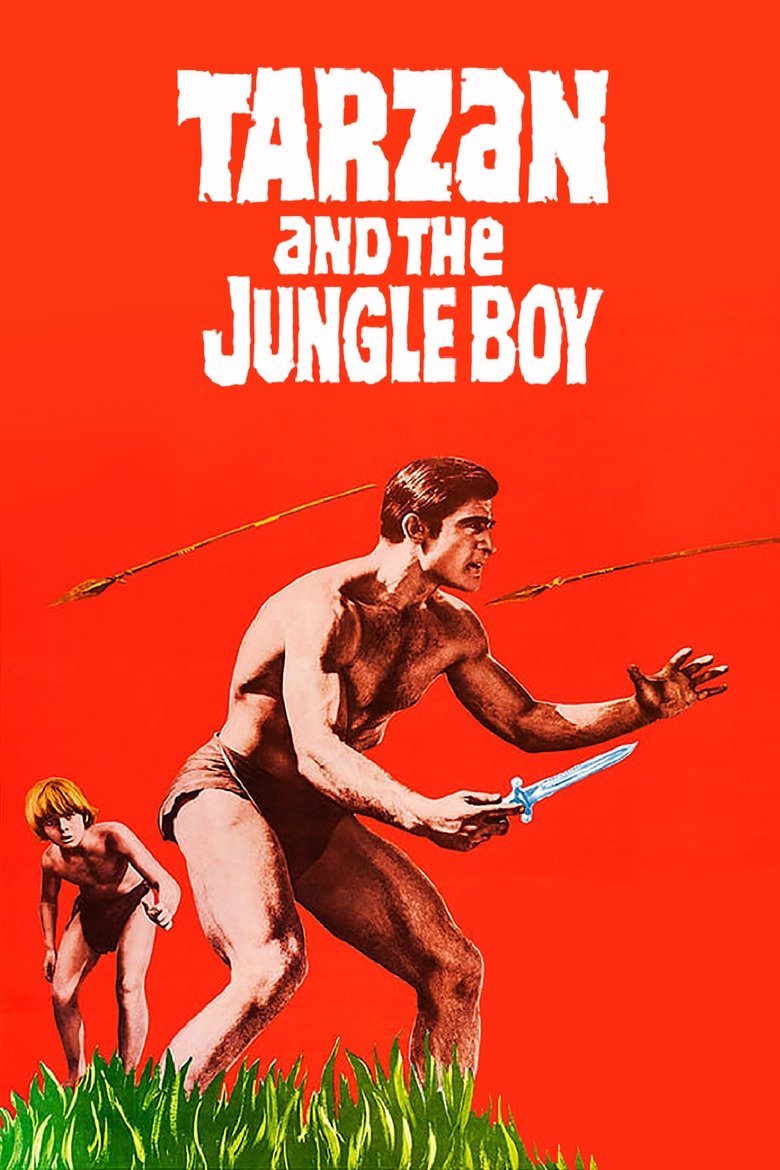
Tarzan and the Jungle Boy
1968
GDirector
Robert Gordon
Runtime
99 minutes
Average Rating
No ratings yetSynopsis
Tarzan is joined by a reporter and her fiance on a journey to find a boy who was abandoned in the jungle six years earlier. The search party must also battle an evil native, who is out to kill the boy and take over as chief of his brother's tribe.
Where to Watch
Diversity & Representation
Overall Score
Limited
Category Breakdown
LGBTQ+ Representation
The film lacks any evidence of non-cisnormative identities or same-sex intimacy. It relies on a traditional romantic pairing between a reporter and her fiancé, reinforcing heteronormative frameworks.
Gender Representation
While a female reporter provides a professional presence, the action is driven by male protagonists. The narrative follows mid-century hierarchies without subverting masculine authority or female agency.
Racial & Ethnic Diversity
The story utilizes a colonialist framework common to jungle adventures. It centers Western explorers navigating indigenous spaces, reinforcing traditional Western-centric perspectives of the era.
Religious & Cultural Diversity
The film adheres to conventional Western storytelling and adventure tropes. It focuses on tribal stability and heroism rather than exploring subjective morality or critiquing Western institutions.
Disability Representation
There is no mention of characters with visible or invisible disabilities. The narrative provides no information regarding neurodivergence or physical impairments.
Strengths
- Includes a female character in a professional role as a reporter.
Areas for Improvement
- Lacks representation for LGBTQ+ identities.
- Relies on colonialist and Western-centric narrative frameworks.
- Maintains traditional gender hierarchies with limited female agency.
- Provides no representation for characters with disabilities.
AI Analysis
This 1968 adventure film functions as a product of its time, adhering strictly to mid-century cinematic conventions. It prioritizes traditional heroism and heteronormative romance, offering almost no disruption of established social hierarchies. The narrative structure relies on colonialist tropes, positioning Western characters as the primary moral compass within an indigenous setting. This approach limits the agency of non-Western characters and reinforces a Western-centric worldview. Ultimately, the film lacks intersectional complexity. It maintains standard gender roles and provides no representation for LGBTQ+ identities or individuals with disabilities.
Rate this Movie
Reviews
No reviews yet. Be the first to share your thoughts on this movie!
Use the rating form above to leave a star rating and optional review.