Divorce French Style
2016
No user ratings available yet
Representation score: 2.5 out of 10
Representation Score
Limited
2009
Director
Rikou
Average Rating
No ratings yetNew Showbiz Analysis
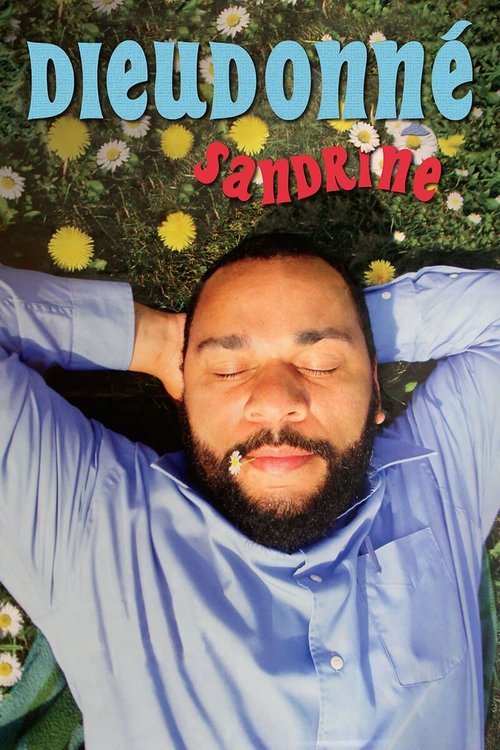
Dieudonné - Sandrine is a character-driven comedy centered on a specific performer's persona. The narrative focuses on personal domestic conflict and traditional comedic clichés. This narrow focus limits the demographic breadth of the work. The film relies on the assumption that everyone is straight or cisgender, focusing on the breakdown of a marriage and subsequent legal proceedings. This limited scope fails to move beyond a localized, potentially homogeneous character study.
Category Breakdown
The film focuses on the breakdown of a heterosexual marriage between Patrick and Sandrine. There are no queer narratives or non-cisgender identities represented in the main storyline.
The movie examines the complexities of male-female relationships through a divorce and legal trial. It addresses traditional domestic conflicts without challenging systemic gender hierarchies.
The story centers on a domestic dispute between two named individuals. There is no evidence of multicultural integration or a diverse cast.
The themes of divorce and legal disputes align with conventional Western social structures. The film uses a meta-theatrical approach to critique the performer's role in controversy.
There is no mention of characters with visible or invisible disabilities. The film does not represent neurodivergence or mental health conditions.
Present on Screen
Limited or Absent
Official Synopsis
Patrick and Sandrine Boulard have been separated for several years now. Patrick cannot get over the breakup and breaks into his ex-wife's house one night. She files a complaint. The trial begins. After leading the public to believe that the show had been canceled, on the pretext that he had lost his "license to make people laugh," Dieudonné explains his weariness with controversy and his decision to choose a lighter subject. He thus reprises the character of Patrick, drawn from Patrick's divorce, and has the judge, the lawyers, and Patrick himself speak during the trial. This is followed by a series of sketches dealing, as a whole, with the relationship between men and women.
2016
1995
2017

2004
2005
2013
2014

2009
No reviews yet. Be the first to share your thoughts on this movie!
Use the rating form above to leave a star rating and optional review.