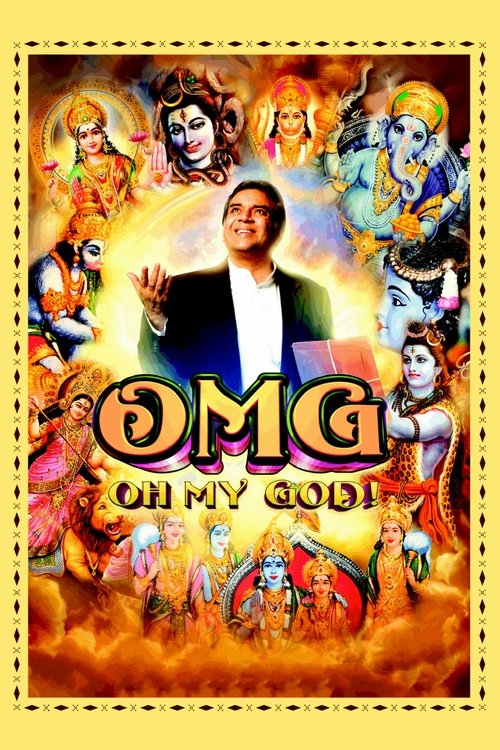
OMG: Oh My God!
2012
No user ratings available yet
Representation score: 5.7 out of 10

Representation Score
Excellent
2023
TV-MADirector
Amit Rai
Runtime
155 minutes
Average Rating
No ratings yetNew Showbiz Analysis
Amit Rai’s work employs social realism to examine institutional power and the tension between individuals and systemic structures. The film succeeds in offering a non-Western perspective by focusing on Indian socioeconomic realities. However, the narrative remains somewhat conventional in its portrayal of characters. The absence of LGBTQ+ representation and the limited involvement of female characters in the central legal conflict prevent a higher diversity score. Ultimately, the film is a sophisticated critique of authority. It effectively challenges the integrity of state and religious institutions, framing the individual's struggle against bureaucracy as its primary driver.
Category Breakdown
The film does not prominently feature LGBTQ+ characters or relationships that challenge traditional heterosexual norms. It avoids negative stereotypes but does not include narratives that question the assumption that everyone is straight or cisgender.
The story revolves around a domestic relationship between the protagonist and his wife. While it avoids overly aggressive masculine stereotypes by depicting the lead as a victim, female characters do not significantly influence the central legal conflict.
A predominantly Indian cast highlights the socioeconomic realities of the Indian middle and lower-middle classes, avoiding a Western-centric perspective. The film centers on the daily lives and challenges faced by this demographic.
The narrative criticizes traditional institutions, portraying the medical and bureaucratic sectors as corrupt and profit-driven. It questions the integrity of established state and religious structures.
The film addresses physical vulnerabilities associated with aging and systemic healthcare issues. However, it focuses more on systemic responses to frailty rather than on neurodivergence or specific disability empowerment.
Present on Screen
Limited or Absent
Official Synopsis
Life is bliss until one day Kanti Sharan Mudgal’s son Vivek is blamed for immoral conduct and expelled from school. Overwhelmed, Kanti plans to leave town until a divine intervention leads him to seek justice by taking those responsible to court.
2012
2013
2016

2018
2023
2023

2022
2017
No reviews yet. Be the first to share your thoughts on this movie!
Use the rating form above to leave a star rating and optional review.