102 Minutes That Changed America
2008
No user ratings available yet
Representation score: 5.9 out of 10
Representation Score
Good
2006
PG-13Director
Henry Singer
Runtime
71 minutes
Average Rating
No ratings yetNew Showbiz Analysis
Henry Singer’s documentary shifts the focus from macro-political events to the micro-psychological impact of a single, haunting image. By examining the ethics of visibility, the film challenges how media institutions commodify and categorize human suffering. The work succeeds in presenting a multifaceted urban population, avoiding a monolithic view of the September 11 attacks. It replaces traditional clichés of heroism with a nuanced, humanistic exploration of collective grief and trauma. While the film is inclusive of diverse human experiences, it remains primarily a study of a psychological phenomenon. It does not delve deeply into specific studies of racial intersectionality or queer-coded subtext.
Category Breakdown
The film does not focus on LGBTQ+ identities or non-traditional gender expressions. Instead, it centers on the universal experience of loss, rather than specific social dynamics related to sexual orientation or gender identity.
The documentary avoids traditional gender hierarchies by emphasizing shared human vulnerability. It dismantles heroic archetypes by showing individuals as victims of systemic tragedy, regardless of their gender.
Reflecting New York City's demographics, the film showcases a diverse mix of ethnic and socioeconomic backgrounds. It avoids a monolithic portrayal of the tragedy by featuring various voices and perspectives.
The narrative critiques the media-industrial complex and how society remembers or forgets tragedies. It prioritizes individual psychological truth over institutional religious or patriotic narratives.
The film offers a profound look at invisible disabilities, such as PTSD and psychological trauma. It treats mental health conditions with dignity and an authentic, unvarnished reality.
Present on Screen
Limited or Absent
Official Synopsis
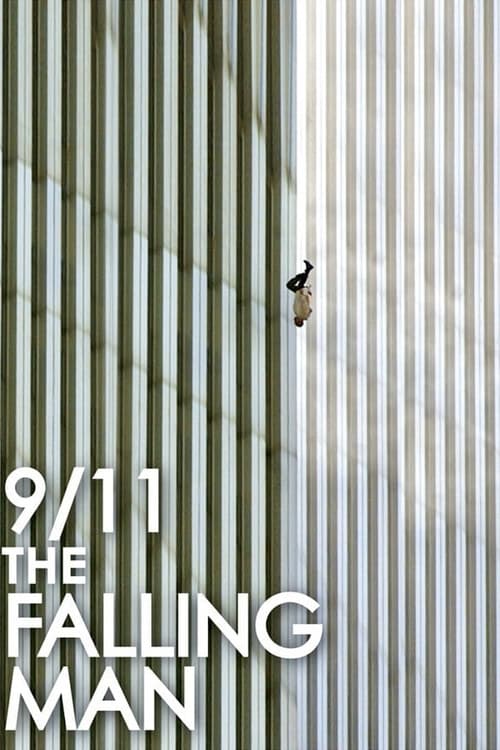
An examination of an image - a falling man from the North Tower, frozen in mid air - circulated by the press immediately after the September 11 attacks, the public's reaction, and why it was later deemed un-newsworthy.
2008

2002
2021
2002
2006

2013
2019
2021
No reviews yet. Be the first to share your thoughts on this movie!
Use the rating form above to leave a star rating and optional review.