
Beehive
1975
No user ratings available yet
Representation score: 5.2 out of 10
Representation Score
Limited
1963
Director
Poul Nyrup
Runtime
90 minutes
Average Rating
No ratings yetNew Showbiz Analysis
Days of Sin and Nights of Nymphomania functions as a period-specific crime drama that prioritizes social transgression over a more diverse and inclusive portrayal of society. While the film offers a moderate disruption of traditional moral frameworks through its focus on non-conformist behavior, it remains limited by the social norms of its era. The narrative architecture is built around a localized, homogeneous group, which prevents a more progressive or diverse portrayal of the human experience.
Category Breakdown
The film does not include any explicit LGBTQ+ characters or stories. The social structure focuses on traditional identities, offering no critique of the assumption that everyone is straight or cisgender.
The story centers on a male-dominated dynamic involving characters Kim, Quickie, and Rabbit. Female roles are limited, reinforcing a traditional gender hierarchy driven by male actions.
The narrative reflects a homogeneous social structure typical of its mid-century European setting. There is no indication of a multi-ethnic cast or diverse racial representation.
The film challenges traditional morality by celebrating a criminal's release and a carefree lifestyle. This focus on social rebellion provides a moderate level of cultural subversion.
There is no mention of physical, neurodivergent, or mental health conditions. The narrative does not address disability representation.
Present on Screen
Limited or Absent
Official Synopsis
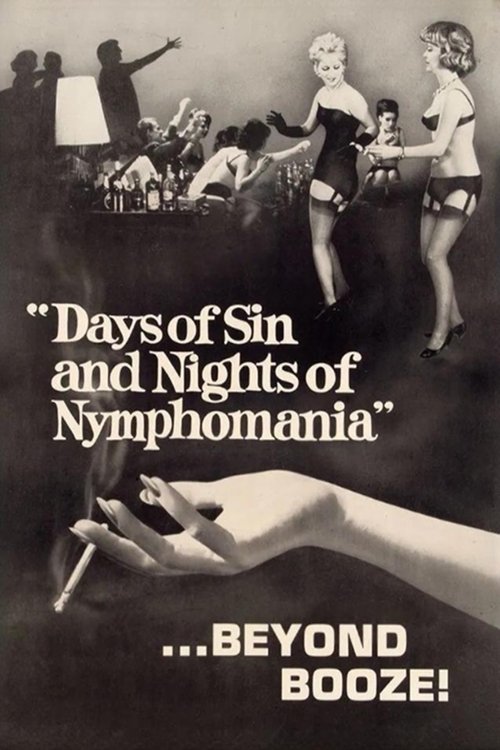
Kim, a member of a lively young group, is released from jail after having served time for attempted rape. To celebrate his release, Quickie and Rabbit, the group's leaders, organize a wild party in Rabbit's summer house.
1975

1952

1957

1971

1973

1971

1973

1960
No reviews yet. Be the first to share your thoughts on this movie!
Use the rating form above to leave a star rating and optional review.