Whole Lotta Sole
2011
No user ratings available yet
Representation score: 3.8 out of 10
Representation Score
Fair
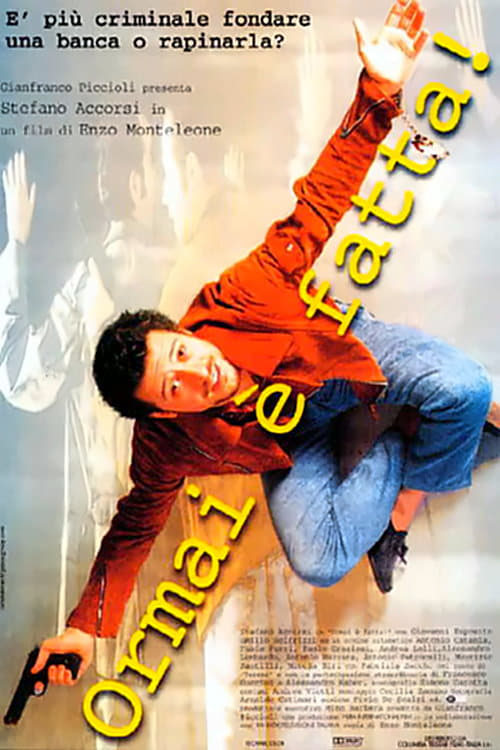
1999
Director
Enzo Monteleone
Runtime
110 minutes
Average Rating
No ratings yetNew Showbiz Analysis
Outlaw! is a biographical drama that emphasizes ideological subversion over broad demographic representation. It centers on a man navigating the edges of social institutions. The film shines in its cultural critique, dismantling the legitimacy of state authority and framing anti-authoritarianism as personal liberation. However, it lacks depth in representing diverse identities, focusing narrowly on traditional cinematic boundaries.
Category Breakdown
The film focuses on the protagonist's ethical struggles and his conflict with authority. There are no explicit depictions of LGBTQ+ identities or non-straight relationships.
The story revolves around a male protagonist and his conflicts with a male-dominated prison system. Female characters primarily serve traditional supporting roles without challenging masculine leadership.
Set in 1970s Northern Italy, the film reflects the local ethnic makeup of the time. The narrative remains homogeneous, sticking closely to the ethnic landscape of the Piedmont region.
The film excels by critiquing Western institutions through an anarchist perspective. It portrays the protagonist's actions as principled rebellion against a corrupt state system.
There is no significant focus on neurodivergence, physical disabilities, or mental health issues. The character's motivations stem from political ideology rather than lived experiences of disability.
Present on Screen
Limited or Absent
Official Synopsis
The movie is based on the autobiography of Horst Fantazzini. Son of an anarchist, he was known in Northern Italy as “the gentleman bandit” because he robbed banks without violence, with only a toy gun. After many convictions and jailbreaks, in the summer of 1973 he's being held in Fossano, Piedmont when he tries to escape again. This time things get messy and he has to use a real gun and take two prison guards as hostages.
2011
2010
2023
1998
2022
2003
1975

1986
No reviews yet. Be the first to share your thoughts on this movie!
Use the rating form above to leave a star rating and optional review.