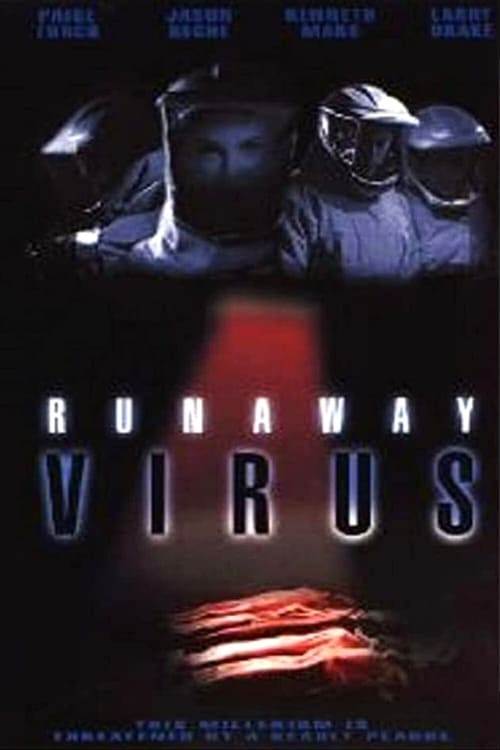
Runaway Virus
2000
No user ratings available yet
Representation score: 5.0 out of 10

Representation Score
Limited
1998
Director
Alan Metzer
Runtime
105 minutes
Average Rating
No ratings yetNew Showbiz Analysis
Carriers functions as a standard late-90s television thriller, adhering closely to established genre conventions. While it avoids total homogeneity through its casting, it lacks the systemic deconstruction necessary for a higher progressive score. The film's strength lies in its central female characters, who drive the investigation of a deadly virus. This provides a level of ability to act often missing in period thrillers, even if the characters do not explicitly subvert traditional hierarchies. Ultimately, the production prioritizes procedural clichés over multi-layered narrative architecture. It presents a moderate level of representation that remains within the bounds of conventional social dynamics.
Category Breakdown
The film does not include explicit LGBTQ+ characters or non-cisgender identities. It follows a traditional thriller structure that prioritizes conventional social dynamics.
Women play significant roles in the film, with the plot centered around a military woman and a concerned mother. These roles go beyond passive stereotypes by placing women in active investigative positions.
Bill Nunn's presence in the main cast suggests racial integration within the ensemble. However, the narrative does not delve into broader racial composition or multi-layered roles.
The story focuses on institutional responses to a biological threat. It leans toward traditional crisis-management clichés rather than challenging Western or governmental structures.
There is no information regarding the portrayal of physical disabilities, neurodivergence, or mental health conditions in this work.
Present on Screen
Limited or Absent
Official Synopsis
A military woman and a worried mother travel overseas and to New Mexico to investigate a deadly virus.
2000
1995

1995
1997

1993

2000

2018

2006
No reviews yet. Be the first to share your thoughts on this movie!
Use the rating form above to leave a star rating and optional review.