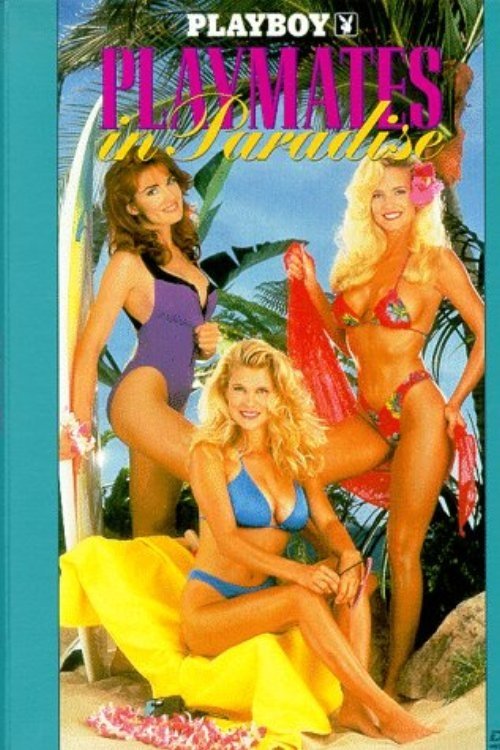
Playboy: Playmates in Paradise
1992
No user ratings available yet
Diversity score: 2.4 out of 10
No Poster Available
1968
GPDirector
Frank Willard, Barry Mahon
Runtime
80 minutes
Average Rating
No ratings yetSynopsis
A pseudo-documentary about Spring Break in Daytona Beach, alternating footage of sunbathing teenagers with musical performances from the Tams, Billy Joe Royal, the Swinging Medallions and Grand Funk Railroad.
Overall Score
Limited
Category Breakdown
LGBTQ+ Representation
The film focuses on the heteronormative social rituals of 1960s youth culture. There are no documented queer narratives or non-cisnormative identities present.
Gender Representation
Women are visible through sunbathing footage, but the lens prioritizes a male gaze. They appear as objects of leisure rather than active agents.
Racial & Ethnic Diversity
Musical acts like The Tams provide racial diversity to the soundtrack. However, the visual setting remains a predominantly white, Anglo-Saxon social environment.
Religious & Cultural Diversity
The film captures secular, hedonistic American youth culture. It documents consumerist leisure without critiquing traditional institutions or religious morality.
Disability Representation
There is no evidence of the inclusion or depiction of individuals with visible or invisible disabilities.
Strengths
Areas for Improvement
AI Analysis
Mondo Daytona serves as a voyeuristic observational document of 1960s Spring Break culture. It functions more as a social montage than a structured narrative, which limits its capacity for intentional representation. The film mirrors the demographic distributions and social hierarchies of its era. While musical performances introduce some racial variety, the visual focus remains narrow and conventional. Ultimately, the work lacks the narrative architecture to challenge social norms, instead documenting the specific, mainstream social behaviors of the period.
1992
1967
1980
1966
2003
1992
1979
1968

2008
1979
1976
1969
No reviews yet. Be the first to share your thoughts on this movie!
Use the rating form above to leave a star rating and optional review.