
A Brother
2018
No user ratings available yet
Representation score: 3.4 out of 10
Representation Score
Good
2020
Director
Arnaud Viard
Runtime
89 minutes
Average Rating
No ratings yetNew Showbiz Analysis
Arnaud Viard’s adaptation of Anna Gavalda’s work is a sophisticated character study focused on emotional realism. The film stands out by giving significant roles to its female characters, moving beyond simple domestic clichés to explore intellectual and artistic pursuits. However, it operates within a traditional framework. It lacks explicit representation of LGBTQ+ identities and diverse racial backgrounds, focusing instead on a specific, homogeneous social group. Ultimately, while the film provides a nuanced look at personal truths and the complexities of life, it does not aim to challenge or fundamentally change Western social institutions.
Category Breakdown
The film centers on traditional family structures and conventional romance. It does not include non-straight identities or stories that challenge the idea that everyone is straight.
Female characters have significant roles, such as Juliette balancing motherhood with her writing career and Margaux as a radical artist. This breaks away from typical domestic roles for women.
The story focuses on a uniform social group within a French family setting. It does not highlight multi-layered racial dynamics or diverse ethnic casting.
The film examines personal morality and family obligations through a humanistic perspective. It maintains ties to traditional Western family structures and legacies.
The narrative emphasizes emotional and existential changes. It does not feature characters dealing with visible or invisible disabilities or neurodivergence.
Present on Screen
Limited or Absent
Official Synopsis
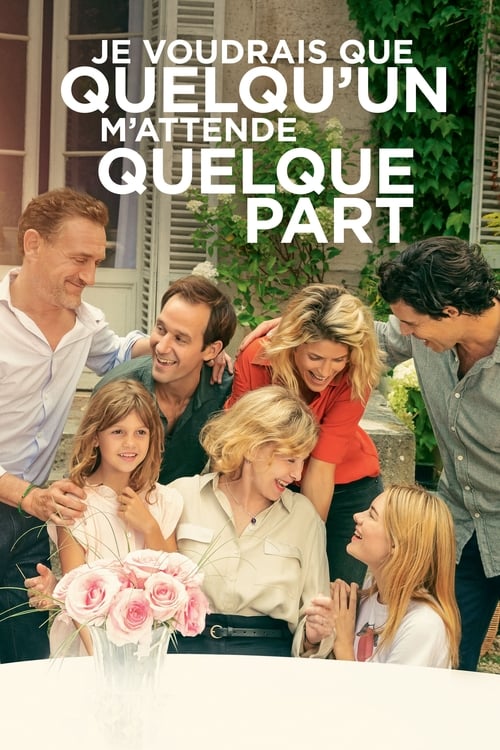
In the beautiful family home, at the end of the summer, Monique celebrates her 70th birthday, surrounded by her 4 children, all of whom have come for the occasion. There is Jean-Pierre, the elder, who took on the role of head of the family after the death of his father; Juliette, pregnant with her first child at 40 and who still dreams of becoming a writer; Margaux, the family’s radical artist, and Mathieu, 30, anxious to seduce pretty Sarah. Later, one day, one of them will make a life-changing decision ...
2018

2016

2020

1998

2014
2019

2022

2012
No reviews yet. Be the first to share your thoughts on this movie!
Use the rating form above to leave a star rating and optional review.