
The Executioner
1963
No user ratings available yet
Representation score: 3.3 out of 10
Representation Score
Fair
1970
Director
Luis García Berlanga
Runtime
83 minutes
Average Rating
No ratings yetNew Showbiz Analysis
Luis García Berlanga employs black comedy to critique institutional rigidity and societal hypocrisy. The film's strength lies in its subversion of traditional norms, using a chaotic plot to challenge the sanctity of religious and social decorum. However, the film remains demographically limited, reflecting the era's homogeneity. It lacks diverse representation regarding race and LGBTQ+ identities, focusing instead on local Spanish social dynamics. Ultimately, the work finds its diversity through moral relativism. It challenges the stability of Western institutions like the family and the church by presenting them through a lens of systemic dysfunction.
Category Breakdown
The film does not include any explicit LGBTQ+ characters or explore non-straight relationships. The focus is on a traditional wedding, with no emphasis on queer narratives.
Despite the wedding being a gendered event, the plot disrupts idealized family structures through deception. Female characters play key roles in driving the conflict, while the male protagonist leads the main deception.
Set in the Costa Brava, the film reflects the demographic uniformity of 1970s Spain. There is no indication of a multi-ethnic cast or exploration of diverse racial backgrounds.
The dark comedy mocks Christian morality and religious mourning practices. By prioritizing social appearances over funeral traditions, the film challenges established social expectations.
There are no visible or invisible disabilities depicted that affect the narrative.
Present on Screen
Limited or Absent
Official Synopsis
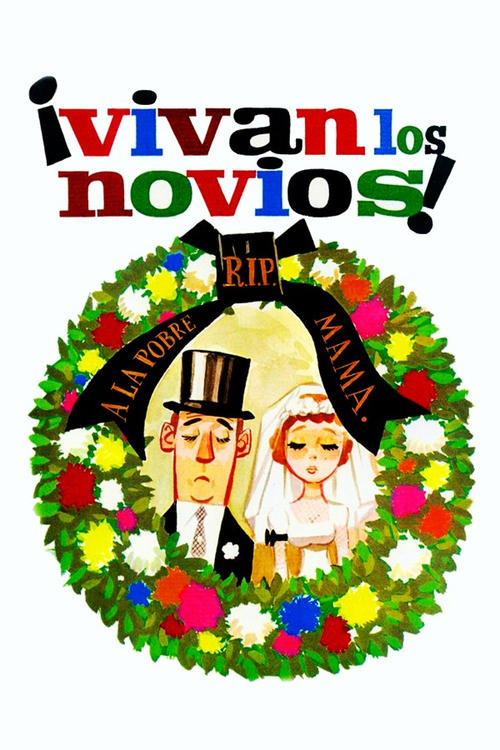
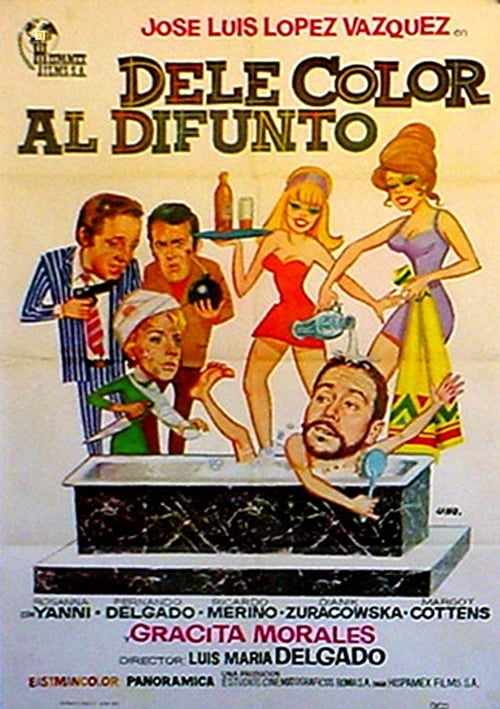
Leo Pozas, native from Burgos and high bank clerk, arrives to a town on the Costa Brava, with his mother to marry Loli. Unexpectedly, Leo's mother died. This may mean the suspension of the wedding, a year of mourning and, perhaps, another relief, so that Leo and Loli hide the corpse of the old betrothal until after the wedding...
1963
2002

2017
1985
1987

2012
1970
2016
No reviews yet. Be the first to share your thoughts on this movie!
Use the rating form above to leave a star rating and optional review.