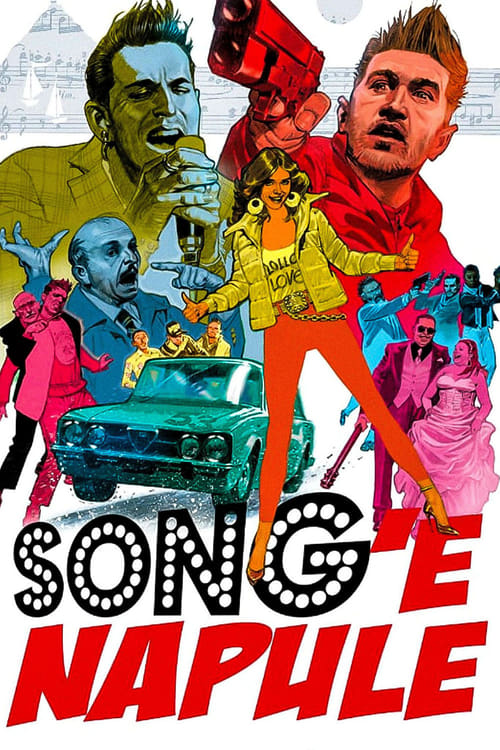
Song'e Napule
2013
No user ratings available yet
Representation score: 1.7 out of 10
Representation Score
Limited
2017
TV-14Director
Marco Manetti, Antonio Manetti
Runtime
140 minutes
Average Rating
No ratings yetNew Showbiz Analysis
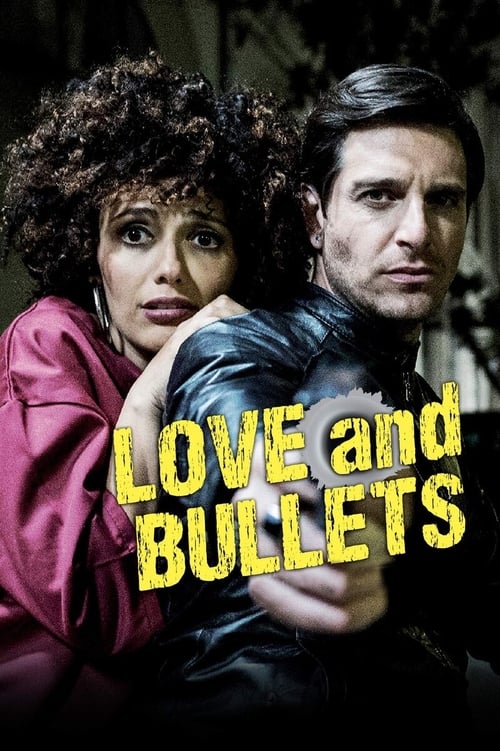
Love and Bullets is a postmodern exercise in genre pastiche that prioritizes aesthetic homage to Italian crime cinema. The Manetti brothers focus on kinetic energy and stylistic mastery rather than progressive social commentary. The narrative relies heavily on established archetypes, resulting in a traditional approach to gender and social dynamics. The film deconstructs cinematic styles through a grindhouse lens but does not actively seek to disrupt conventional social hierarchies. Ultimately, the work functions as a stylistic tribute to exploitation traditions, favoring genre conventions over diverse representation or systemic critique.
Category Breakdown
The film follows a traditional structure centered around straight relationships. The central romantic tension revolves around a conventional male-female dynamic between a hitman and a nurse.
Masculine control dominates the narrative through themes of violence and criminal hierarchies. While the female lead drives the plot, she primarily functions as a catalyst within established genre clichés.
The story is set in a specific Italian urban context, focusing on regional identity rather than using diverse casting to challenge social hierarchies.
The film explores moral ambiguity through the lens of the outlaw archetype. It prioritizes stylized entertainment and genre homage over systemic critiques of religion or patriotism.
There is no discernible focus on visible or invisible disabilities. Characters operate within the standard physical capacities typical of high-octane action cinema.
Present on Screen
Limited or Absent
Official Synopsis
A Mafia boss fakes his own death aiming at a fresh start, but a nurse happens to see him alive and well after the funeral. A hitman is promptly sent to get rid of her, only to find out she's his first and unforgotten love.
2013
2005
2009

2013
2016

1985

1997

2006
No reviews yet. Be the first to share your thoughts on this movie!
Use the rating form above to leave a star rating and optional review.