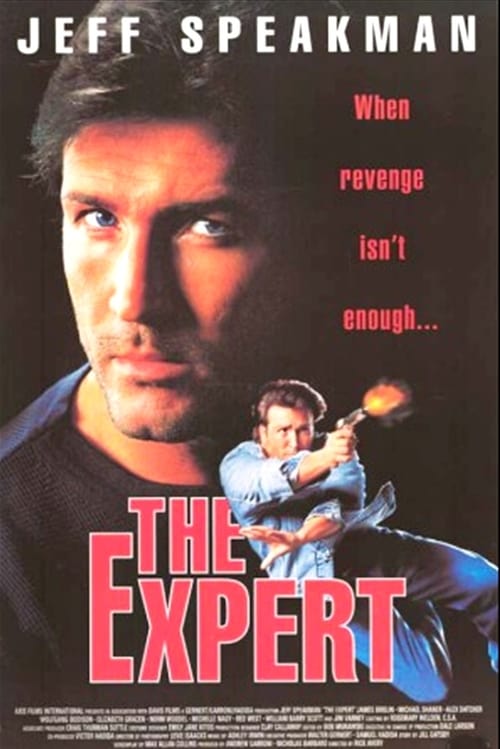
The Expert
1995
No user ratings available yet
Diversity score: 2.4 out of 10

2004
Director
Anghus Houvouras
Runtime
77 minutes
Average Rating
No ratings yetSynopsis
After a fellow Officer's funeral, 4 Cops decide that the only way to get rid of the criminal element is to stop arresting the criminals, and start burying them.
Overall Score
Limited
Category Breakdown
LGBTQ+ Representation
The film lacks any evidence of LGBTQ+ characters or non-cisnormative identities. The narrative focus remains strictly on the dichotomy between law enforcement and criminals.
Gender Representation
The story centers on a male-dominated professional environment of police officers. It reinforces conventional masculine archetypes of authority rather than subverting gender hierarchies.
Racial & Ethnic Diversity
The racial composition of the cast and the criminal element is not specified. Without explicit character descriptions, the film relies on established genre tropes.
Religious & Cultural Diversity
The film explores moral relativism by portraying officers who bypass the judicial system. However, it aligns with traditional crime tropes rather than a systemic critique of power.
Disability Representation
There is no information regarding the inclusion of characters with physical, sensory, or neurodivergent disabilities. The narrative does not address disability representation.
Strengths
Areas for Improvement
AI Analysis
20 Funerals is a genre-driven crime comedy that prioritizes extrajudicial action over intersectional exploration. The plot focuses on a group of officers who choose lethal retribution over traditional policing, driving a narrative of vigilantism. The film leans heavily into traditional masculine archetypes within a law enforcement setting. It lacks the complexity required to address diverse identities or subvert established social hierarchies, functioning instead as a study of institutional disruption. Ultimately, the work serves as a critique of legal efficacy but fails to advance progressive social frameworks or provide meaningful representation for marginalized groups.
1995
2015

2001

2021
1994

1992
2001

2009

1996

2013

2015

2005
No reviews yet. Be the first to share your thoughts on this movie!
Use the rating form above to leave a star rating and optional review.