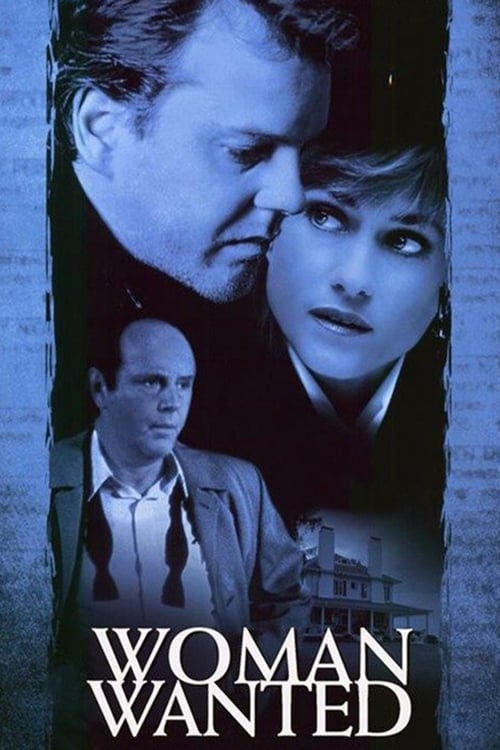
Woman Wanted
1999
No user ratings available yet
Diversity score: 3.0 out of 10

1983
PGDirector
Rob Lieberman
Runtime
121 minutes
Average Rating
No ratings yetSynopsis
J.P. Tannen (Jon Voight) wants a second chance to be a father to his children ... but someone else has taken his place. Determined not to just be a friendly 'uncle' in their lives, he gets permission from his ex-wife Kathleen (Millie Perkins) and her new husband (Richard Crenna) to take the kids on a Mediterranean cruise. On the journey he comes to realise it's not that easy and, feeling overwhelmed, begins to doubt his abilities until a tragedy back home forces him to become the father he always hoped to be.
Overall Score
Limited
Category Breakdown
LGBTQ+ Representation
The film centers on a traditional heteronormative family structure. There is no evidence of non-cisnormative identities or critiques of heteronormativity within the narrative.
Gender Representation
The story explores fatherhood and shifting roles in a post-divorce family. While the male lead shows emotional vulnerability, female characters primarily serve to provide domestic stability.
Racial & Ethnic Diversity
The narrative focuses on a specific Western familial unit. There is no indication of a diverse cast or the inclusion of non-Anglo-Saxon identities.
Religious & Cultural Diversity
The plot adheres to traditional Western values regarding the sanctity of the nuclear family. It emphasizes individual responsibility and the restoration of conventional social structures.
Disability Representation
There is no mention of characters navigating physical, neurodivergent, or mental health disabilities within the story.
Strengths
Areas for Improvement
AI Analysis
Table for Five operates within the standard dramatic frameworks of early 1980s domestic cinema. The film prioritizes traditional interpersonal conflicts and familial reconciliation over any subversion of social norms. The narrative architecture reinforces conventional family hierarchies. While the protagonist's journey of self-doubt offers a slight departure from the invulnerable patriarch archetype, the film ultimately seeks to restore traditional parental roles. Overall, the film lacks intersectional storytelling. It focuses on a homogeneous Western perspective, providing little representation for diverse racial, ethnic, or LGBTQ+ identities.
1999

1998

2009
1996
1970
1973

2005

1995

1983

1991

1988

1984
No reviews yet. Be the first to share your thoughts on this movie!
Use the rating form above to leave a star rating and optional review.