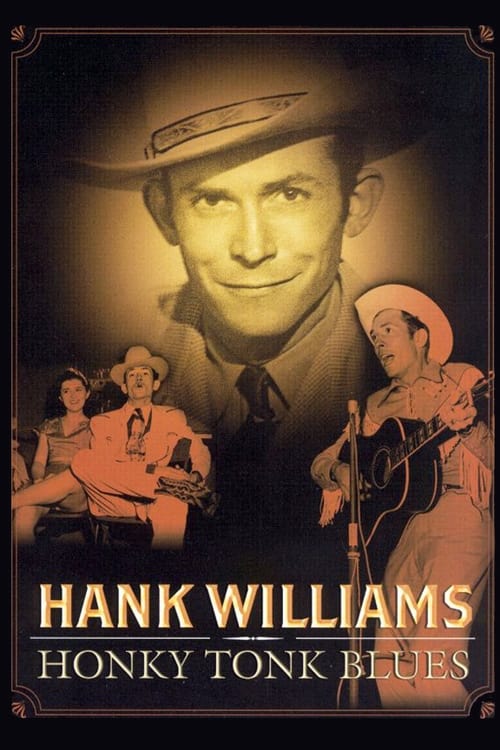
Hank Williams: Honky Tonk Blues
2004
No user ratings available yet
Representation score: 2.6 out of 10

Representation Score
Limited
2015
TV-PGDirector
John Dorsey
Runtime
81 minutes
Average Rating
No ratings yetNew Showbiz Analysis
This documentary serves as a historical retrospective of the Gilley's phenomenon and the 1980 film *Urban Cowboy*. Its primary goal is cultural preservation and nostalgia for a specific era of the American West and Southwest. Because the subject matter is tied to the social norms of the late 20th century, the film lacks depth in reflecting multiple aspects of identity. It prioritizes the music industry and regional subcultures over social critique or diverse representation. The work functions as a traditional chronicle, mirroring the demographic and social homogeneity of the time period it documents.
Category Breakdown
The documentary reflects the social norms of the 1980s era, which assumed everyone was straight or cisgender. There is no evidence of intentional narratives or critiques related to LGBTQ+ issues.
The film emphasizes traditional masculine roles and Western stereotypes central to the Urban Cowboy era. It focuses on established social hierarchies without deconstructing them.
The content is rooted in regional American traditions that historically lacked diversity in race. The documentary likely reflects the demographic homogeneity of that specific period.
The narrative celebrates a specific slice of Western Americana through nostalgia. It functions as a tribute to a historical institution rather than challenging traditional frameworks.
The available information provides no evidence regarding the portrayal of individuals with disabilities.
Present on Screen
Limited or Absent
Official Synopsis
A chronicle of the cultural phenomenon sparked by the 1980 film Urban Cowboy and its inspiration, Gilley's.
2004
1981
2021
2018
2019
2013
2023
2017
No reviews yet. Be the first to share your thoughts on this movie!
Use the rating form above to leave a star rating and optional review.