
Black Cloud
2004
No user ratings available yet
Representation score: 6.0 out of 10
Representation Score
Fair
1983
PGDirector
Donald Shebib
Runtime
106 minutes
Average Rating
No ratings yetNew Showbiz Analysis
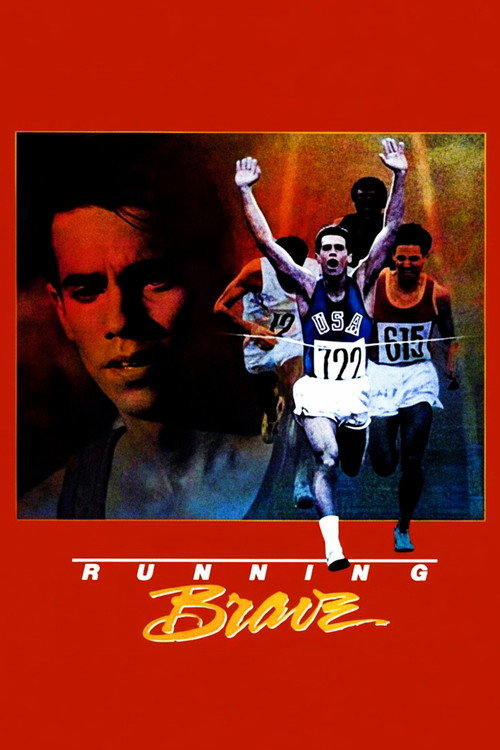
Running Brave is a realistic character study that centers on an Indigenous narrative, highlighting the protagonist's journey to Olympic success. This film disrupts typical mid-century sports narratives by emphasizing the protagonist's ability to drive the story and achievements. However, the film adheres to traditional masculine structures, limiting the roles of female characters. It avoids moralistic portrayals of addiction but stays within the bounds of a conventional biographical drama. The film provides meaningful ethnic representation but lacks deeper exploration of diverse identities or social critiques.
Category Breakdown
The film lacks LGBTQ+ characters or themes of non-assuming gender matches what was assigned at birth identity. It operates within a traditional masculine framework focused on physical and psychological rigors.
The movie emphasizes male physical strength and personal struggles, focusing on a male-dominated environment. Female characters have limited roles and do not play a significant part in driving the story.
The film highlights the story of Billy Mills, an American Indian athlete, providing meaningful representation of Indigenous identity and his active role in the narrative. This portrayal offers a historical context and a sense of ability to act.
The story presents a non-judgmental view of the protagonist's addiction, avoiding moralistic clichés. However, it does not explicitly critique Western or capitalist systems, maintaining a focus on the personal journey.
The film examines the physical and psychological impacts of combat and addiction, portraying the protagonist as a tragic figure. It focuses on the consequences of these experiences rather than empowering the character.
Present on Screen
Limited or Absent
Official Synopsis
The story of Billy Mills the American Indian that came from obscurity, to win the 10,000 meter long distance foot race in the Tokyo Olympics.
2004
1969
2014

2017
2009
2010
2016
2014
No reviews yet. Be the first to share your thoughts on this movie!
Use the rating form above to leave a star rating and optional review.