Broadway Danny Rose
1984
No user ratings available yet
Representation score: 6.3 out of 10
Representation Score
Good
1995
RDirector
Wayne Wang, Paul Auster
Runtime
83 minutes
Average Rating
No ratings yetNew Showbiz Analysis
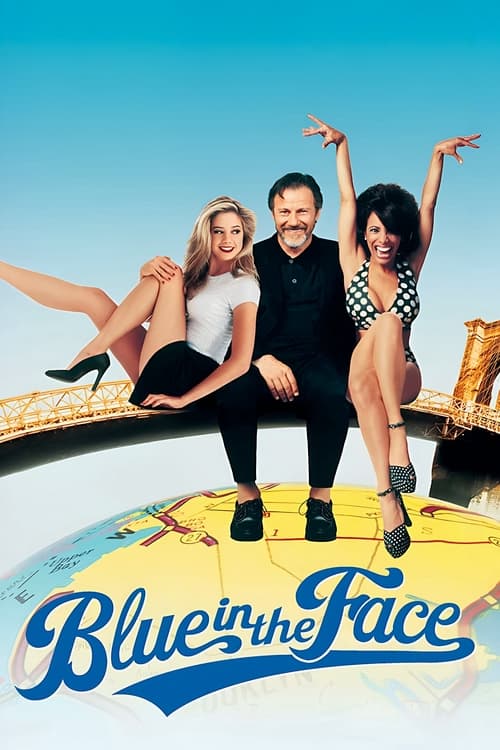
Blue in the Face is a sophisticated exploration of postmodern storytelling that prioritizes thematic complexity over demographic representation. It successfully creates a lived-in, heterogeneous urban environment through its depiction of a multicultural New York City. However, the film struggles with the distribution of narrative ability to act. The story is heavily centered on the male protagonist's psychological journey, leaving limited space for prominent LGBTQ+ or female-driven arcs. While it avoids derogatory clichés, the lack of diverse central voices limits its impact. Ultimately, the film's strength lies in its cultural deconstruction, challenging traditional hero archetypes and rigid moral frameworks in favor of a nuanced, relativistic view of urban existence.
Category Breakdown
The film does not have a central storyline focused on LGBTQ+ characters or specific non-cisgender identities. The urban setting hints at diverse experiences, but the main focus is on the male protagonist's psychological journey.
The story primarily revolves around the male protagonist's conflicts, both internal and external. Gender dynamics are shown through brief interactions without actively challenging traditional hierarchies.
New York City is portrayed as a diverse, multicultural city with a range of ethnic backgrounds visible in minor and background roles. However, there is a lack of actively leading characters of color who play significant roles in the story.
The film deconstructs traditional Western structures by replacing detective archetypes with moral relativism. It highlights urban alienation and the breakdown of cohesive authority through a postmodern perspective.
Mental instability and psychological fragmentation are explored through the lead character. These elements serve as tools of postmodern alienation rather than specific explorations of neurodivergent experiences.
Present on Screen
Limited or Absent
Official Synopsis
A wacky group of locals visit the neighborhood cigar shop, looking for good times and finding plenty of hilarious fun. But when the greedy owner threatens to close the shop for good and turn it into a trendy vegetarian restaurant, the neighborhood proves they'll do just about anything to save their favorite hangout.
1984
1986
1982
1970

1995

2018
2022
1994
No reviews yet. Be the first to share your thoughts on this movie!
Use the rating form above to leave a star rating and optional review.