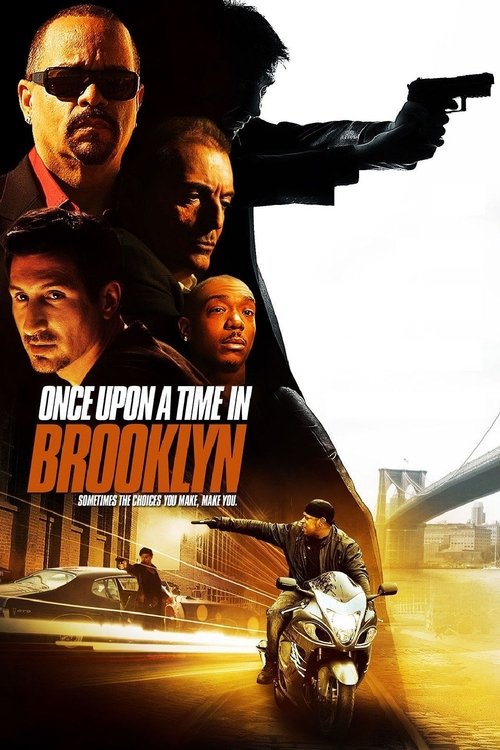
Once Upon a Time in Brooklyn
2013
No user ratings available yet
Representation score: 2.4 out of 10
Representation Score
Limited
2006
RDirector
Bobby Moresco
Runtime
107 minutes
Average Rating
No ratings yetNew Showbiz Analysis
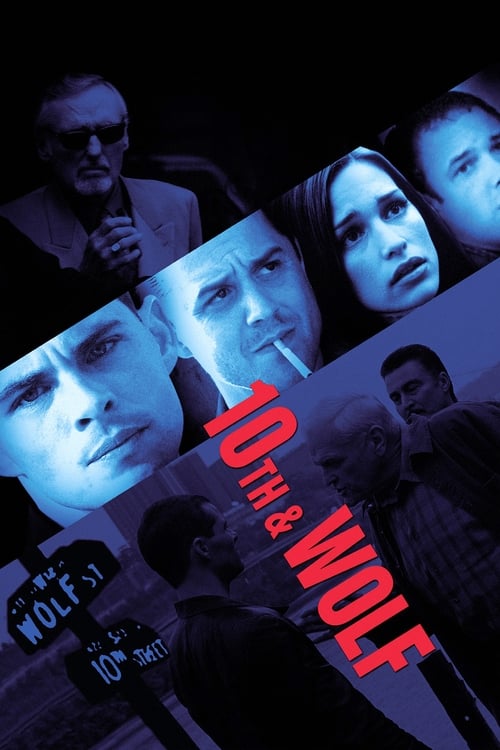
10th & Wolf is a traditional crime drama that emphasizes a single, masculine perspective. It adheres closely to well-known genre conventions, focusing on the repetitive nature of urban crime and individual ability to act. The film lacks diversity and multi-layered complexity, offering limited representation of LGBTQ+ identities, diverse racial backgrounds, or significant female roles. It serves primarily as a localized character study rather than a vehicle for broader social commentary. Ultimately, the narrative avoids systemic identity politics, opting instead for a gritty, fatalistic portrayal of personal struggle within a traditional framework.
Category Breakdown
The film does not include any LGBTQ+ characters or non-straight relationships. The story centers on the protagonist's past and criminal networks.
The story follows a traditional masculine framework focused on male survival and violence. It lacks strong female roles or critiques of patriarchal structures.
The cast appears fairly uniform, focusing on a specific urban environment. There is no indication of a diverse or multi-layered ensemble.
The film explores personal morality and the tension between individuals and larger systemic structures like organized crime. It avoids broader critiques of capitalism or systemic issues.
The film does not focus on neurodivergence or physical disabilities. The protagonist's psychological state after military service is portrayed as personal strength rather than a disability.
Present on Screen
Limited or Absent
Official Synopsis
A former street thug returns to his Philadelphia home after a stint in the military. Back on his home turf, he once again finds himself tangling with the mob boss who was instrumental in his going off to be a soldier.
2013
1996
2001
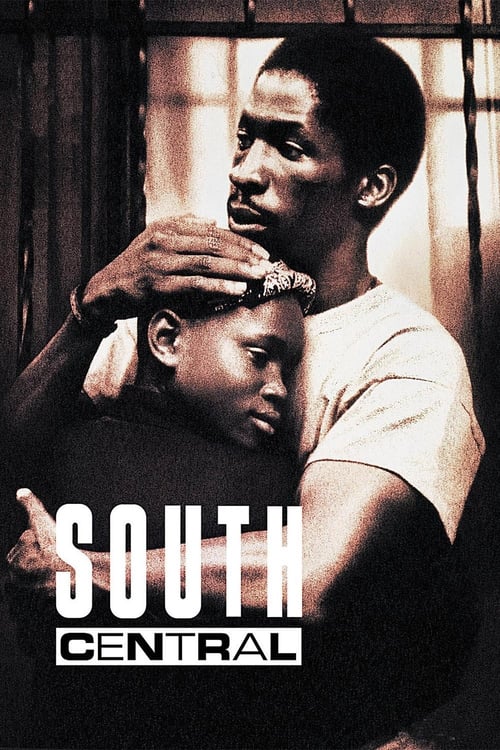
1992
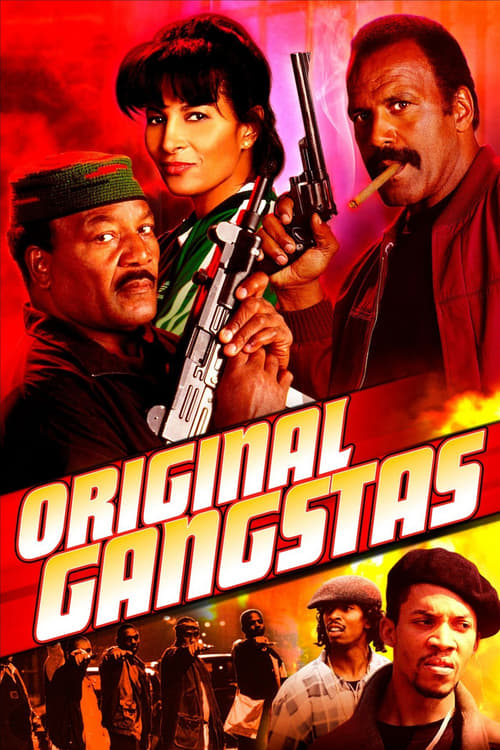
1996
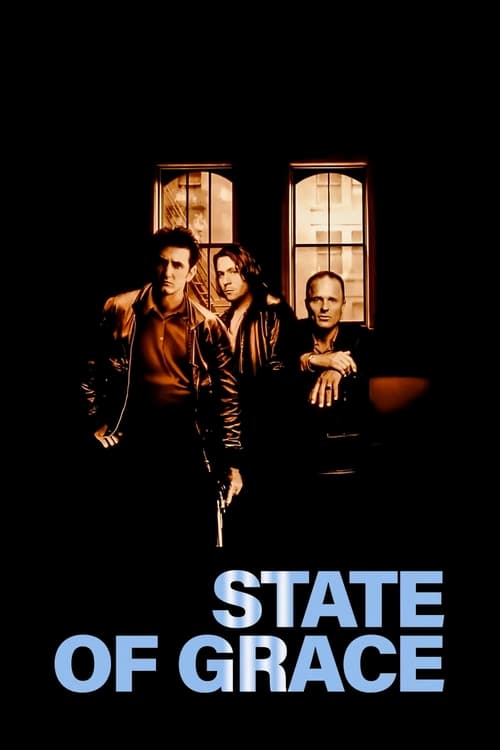
1990
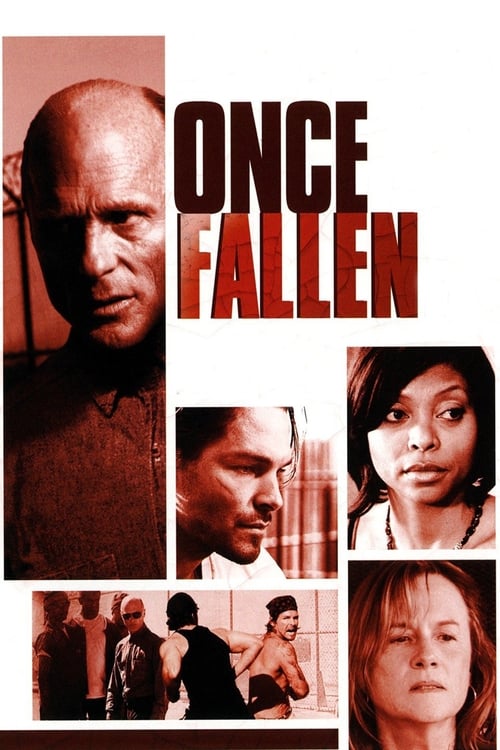
2010
2014
No reviews yet. Be the first to share your thoughts on this movie!
Use the rating form above to leave a star rating and optional review.