
Au revoir l'été
2014
No user ratings available yet
Representation score: 4.8 out of 10
Representation Score
Limited
2012
Director
Ryutaro Nakagawa
Runtime
70 minutes
Average Rating
No ratings yetNew Showbiz Analysis
Tale of a Raindrop is a character-driven drama that focuses on the destabilization of a protagonist's identity. It succeeds in centering a female perspective during a pivotal life stage, providing her with ability to act to navigate complex familial revelations. However, the film operates within a narrow scope of traditional social realism. The narrative lacks diversity, focusing on a localized, homogeneous setting that does not challenge broader demographic or systemic norms. While the exploration of non-traditional family structures is progressive, the film remains a domestic melodrama. It lacks the diverse representation or subversive structure needed to achieve a higher diversity rating.
Category Breakdown
The story includes a connection between two women through a shared paternal lineage. However, there is no indication of a queer identity or romantic relationship.
The film centers on a female protagonist navigating a significant life change. She has ability to act in dealing with her family secrets and personal history.
Set within a domestic Japanese context, the film appears to feature a homogeneous cast. There is no indication of multiculturalism or racial diversity.
The narrative challenges the idealized nuclear family by exploring paternal abandonment. It focuses on personal melodrama rather than broader institutional issues.
The film contains no mention of characters with visible or invisible disabilities. There is no evidence of neurodivergence or chronic health conditions.
Present on Screen
Limited or Absent
Official Synopsis
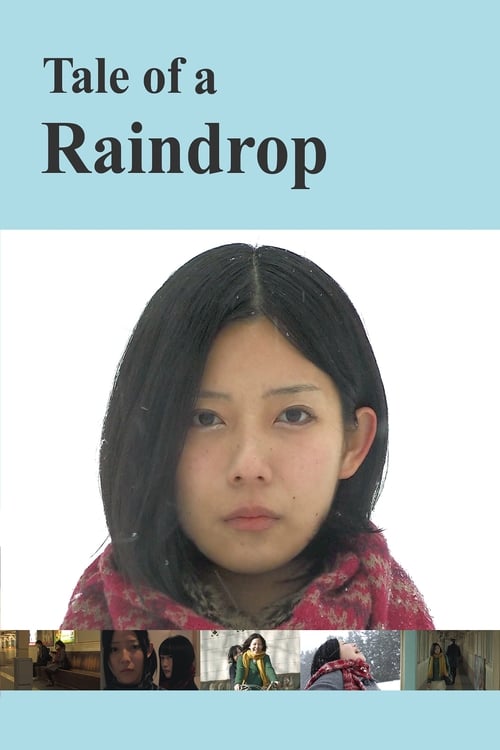
This is a story of a young woman and her coming of age in Japan. In the winter before her college graduation, Michiru received a letter from a girl. Apparently, they are sisters who shared the same father. The letter explained their father who has left Michiru from her birth. Even though she had never cared about him, the fact about his existence spread within her.
2014

1998

2018

2009

2015

2013

2003

2008
No reviews yet. Be the first to share your thoughts on this movie!
Use the rating form above to leave a star rating and optional review.